
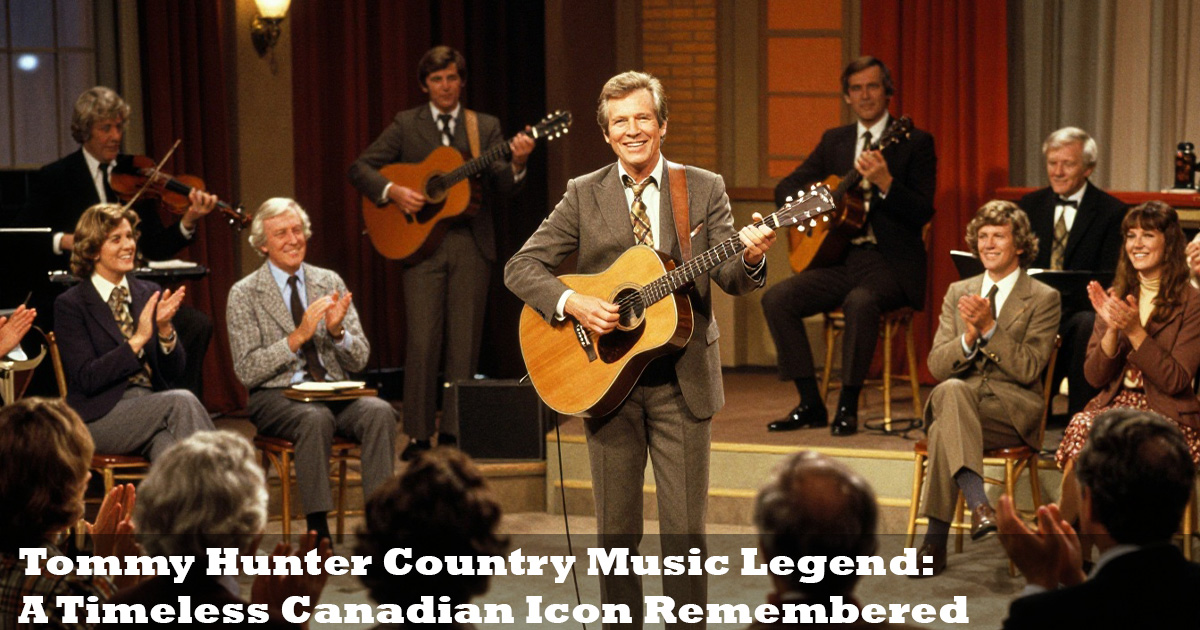
Tommy Hunter Country Music Legend: 7 Powerful Facts That Celebrate a National Treasure
The Tommy Hunter country music legend story is one that feels deeply woven into Canada’s cultural memory. When news broke that Tommy Hunter died on July 2, 2025, at the age of 88 due to natural causes, it marked the end of an era that shaped generations of music lovers across the country.
For many Canadians, Hunter wasn’t just a singer or television host—he was part of their weekly routine, a familiar face on Saturday nights, and a voice that felt like home. His passing doesn’t just close a chapter in music history; it brings back decades of shared memories tied to family living rooms and the glow of CBC television.
The Tommy Hunter country music legend legacy goes far beyond entertainment. It’s about identity, belonging, and the quiet power of building something meaningful in your own backyard.

Who Was Tommy Hunter?
The Tommy Hunter country music legend began his journey in London, Ontario, where he was born in 1937. From a young age, music became more than a hobby—it became his identity. He picked up a guitar at just nine years old and later found his way into radio as a teenager.
Before most Canadians knew his name, he was already making waves internationally. He performed regularly at the Grand Ole Opry, earning respect in Nashville and becoming one of the first Canadians to break into that space.
But what truly defined him wasn’t just success abroad—it was his commitment to building something lasting at home.
Early Life and Musical Beginnings
Growing up in post-war Canada, Tommy Hunter developed a deep appreciation for storytelling through music. His early performances reflected a natural warmth that would later become his trademark.
The foundation of the Tommy Hunter country music legend identity was built on simplicity: a guitar, a steady voice, and a genuine connection with audiences. He didn’t rely on flashy performances or trends. Instead, he focused on sincerity.
That authenticity would later become his greatest strength in a rapidly changing music industry.
The Tommy Hunter Show Legacy
If there is one thing that defines the Tommy Hunter country music legend, it is The Tommy Hunter Show.
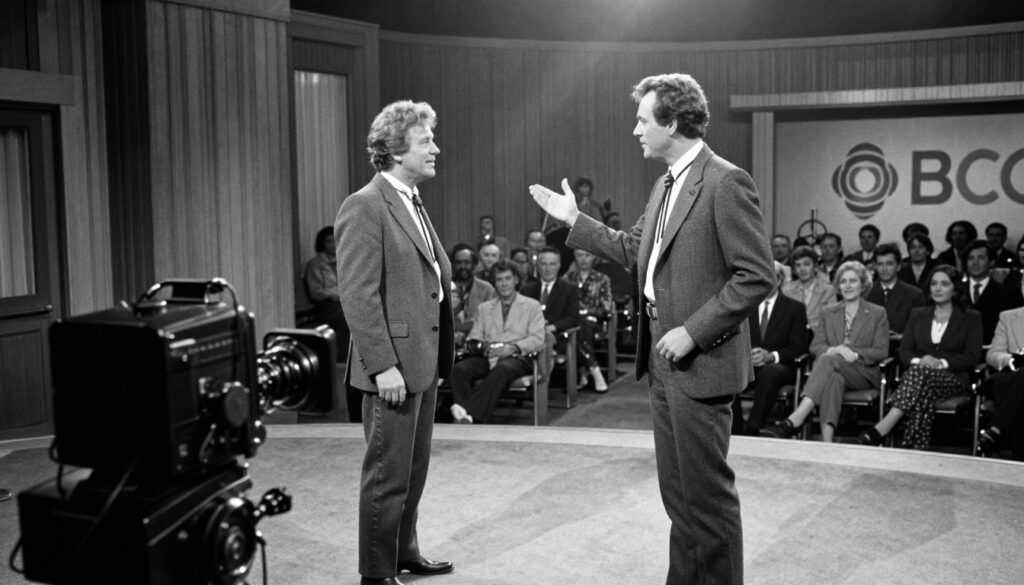
Running on CBC from 1965 to 1992, the show became a weekly ritual for millions of Canadians. Families from coast to coast would gather after dinner to watch a calm, friendly host introduce country singers, fiddlers, and rising stars.
Unlike modern fast-paced entertainment, the show had a comforting simplicity. It felt like a visit with friends rather than a performance.
The Tommy Hunter country music legend influence grew massively during this period because he proved something important: Canadian country music deserved its own spotlight.
Champion of Canadian Talent
One of the most remarkable aspects of the Tommy Hunter country music legend story is his role as a talent builder.
He didn’t just host a show—he built careers.
Artists like Shania Twain, Anne Murray, and Gordon Lightfoot all appeared early in their journeys on his stage. For many, it was their first national television exposure.
Why This Matters
Hunter’s platform gave Canadian musicians something rare at the time: credibility. Instead of looking only to the U.S. for validation, Canadian artists finally had a national stage that mattered.
This is where the Tommy Hunter country music legend legacy becomes cultural history rather than just entertainment history.
Awards and National Recognition
The Tommy Hunter country music legend status was formally recognized through numerous honors:
- Member of the Order of Canada (1987)
- Canadian Country Music Hall of Fame induction (1992)
- Canadian Broadcasting Hall of Fame (2005)
What stood out most wasn’t just the awards—it was how he received them. Quietly. Humbly. Without spectacle.
That humility reinforced why so many people trusted and admired him. He wasn’t chasing fame; he was building a legacy.
Cultural Impact Across Canada
It’s hard to measure cultural influence, but the Tommy Hunter country music legend impact is one of the clearest examples in Canadian broadcasting history.
Before his show, Canadian country music often lived in the shadow of American dominance. After his show, things began to shift.
What Changed Because of Him
- Canadian artists gained national visibility
- Country music became more mainstream in Canada
- CBC became a cultural connector across provinces
- Rural and urban audiences found shared entertainment
In many ways, Hunter didn’t just host a show—he helped shape a national identity through music.
Personal Character and Final Years
Those who worked closely with him often described him the same way: calm, kind, and grounded. The Tommy Hunter country music legend wasn’t built on ego, but on consistency.
Even after retiring from national television, he continued performing in smaller venues well into the 2010s. Community halls, local theatres, and intimate gatherings kept him connected to the people who loved him most.
When he passed away in 2025 at the age of 88, it was described as natural causes at his home—a peaceful ending for a life spent sharing peace through music.
Why His Legacy Still Matters Today
The Tommy Hunter country music legend legacy still resonates because it represents something rare: authenticity in media.
In today’s world of fast content and constant noise, his approach feels almost revolutionary. He slowed things down. He gave artists space. He treated audiences like family.

Modern Influence
Today’s Canadian country stars still feel his influence, even if indirectly. His work laid the foundation for organizations like the Canadian Country Music Association and inspired countless broadcasters.
Without him, Canadian country music might have taken a very different path.