
Canada Submarines: Why Canada’s Historic German Deal Changes Everything
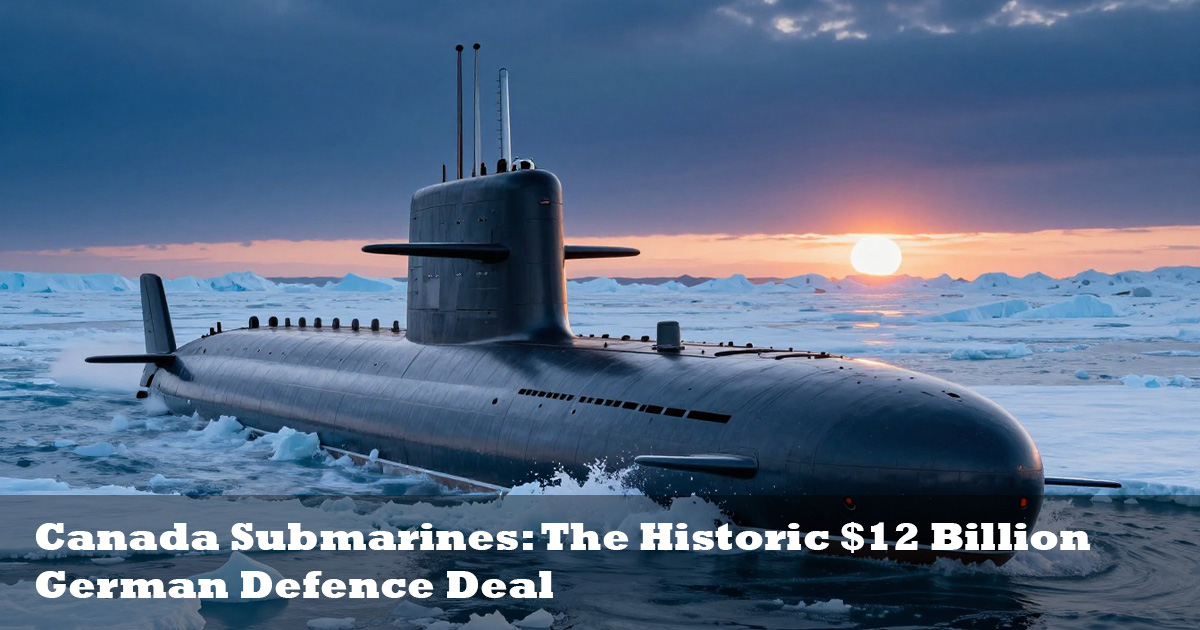
Canada submarines are entering a new era. After years of operating an aging fleet, Canada has announced plans to purchase up to 12 advanced Type 212CD submarines from Germany’s ThyssenKrupp Marine Systems (TKMS). The decision marks the country’s largest defence procurement in history and represents a major investment in national security.
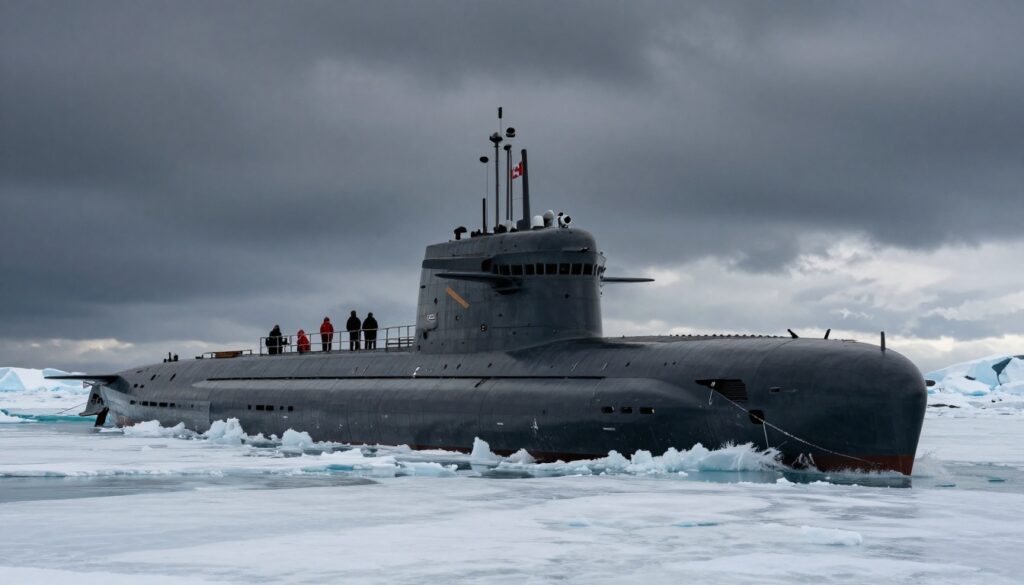
For decades, Canada has relied on the Victoria-class submarines, which were purchased second-hand from the United Kingdom in 1998. Today, only one submarine is considered fully operational, creating significant challenges for the Royal Canadian Navy.
As global tensions continue to rise and Arctic shipping routes become increasingly important, Canada believes it needs a modern underwater fleet capable of protecting its coastline, monitoring northern waters, and supporting NATO allies.
This landmark agreement is about far more than buying new vessels. It reflects Canada’s long-term defence strategy, its commitment to Arctic sovereignty, and its growing partnership with European allies.
Why Canada Needs New Submarines
Canada has one of the world’s longest coastlines, stretching over three oceans. Protecting these waters requires advanced naval capabilities, especially underwater surveillance.
The current Victoria-class submarines have served Canada for more than two decades. However, age, maintenance issues, and limited operational availability have reduced their effectiveness.
Military experts have repeatedly warned that Canada’s submarine fleet is no longer sufficient for modern security challenges.
Some of the biggest reasons Canada needs new submarines include:
- Protecting Arctic waters
- Monitoring foreign naval activity
- Supporting NATO missions
- Improving underwater surveillance
- Strengthening national defence
- Replacing aging military equipment
Modern submarines also provide a strong deterrent. Their stealth allows them to monitor hostile activity without being easily detected.
Canada’s Biggest Defence Purchase Ever
The decision to modernize Canada submarines represents one of the largest investments ever made by the Canadian government.
The initial submarine purchase is estimated at approximately US$12 billion. However, once maintenance, training, upgrades, infrastructure, and operational support over several decades are included, total program costs could exceed US$70 billion.
Although negotiations are still underway, the project highlights Canada’s commitment to investing in long-term defence capabilities rather than relying on outdated equipment.
Prime Minister Mark Carney described the decision as necessary in today’s increasingly uncertain global security environment.
According to government officials, this investment is intended to prepare Canada for future challenges rather than simply replacing old submarines.
Why Germany Won the Contract
Several international defence companies competed for this historic project.
One of the strongest competitors came from South Korea’s Hanwha Ocean, which launched a large public campaign promoting its proposal. The company promised investments in Canadian manufacturing and highlighted opportunities for local industry.
Despite that effort, Germany’s ThyssenKrupp Marine Systems secured the preferred position.
Several factors worked in Germany’s favour.
Proven Experience
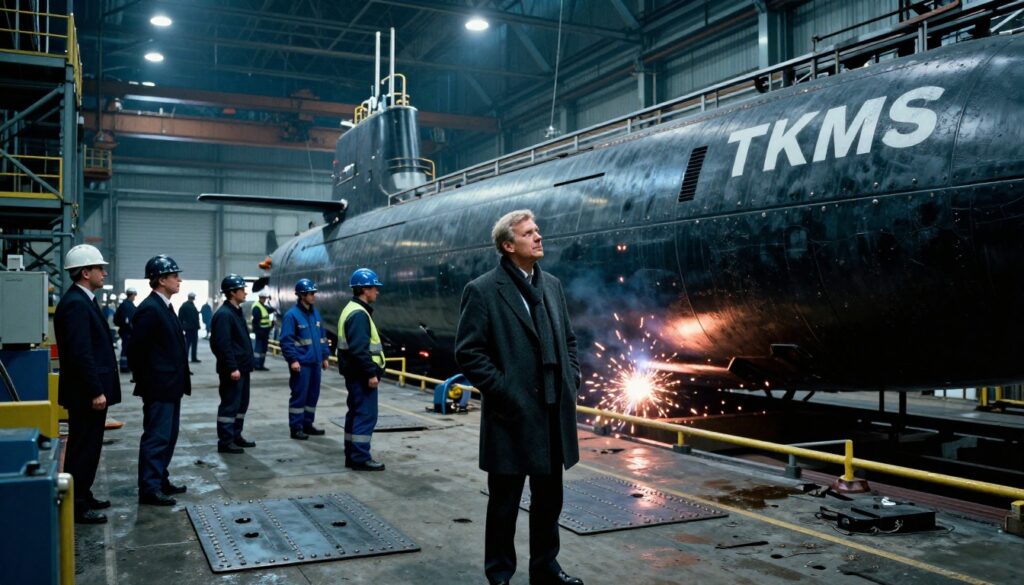
TKMS is one of the world’s leading builders of conventional submarines. Many NATO countries already operate its submarines successfully.
This experience reduced technical risk for Canada.
NATO Compatibility
Another major advantage was interoperability.
The Type 212CD submarines are being developed jointly with Norway, meaning Canada could benefit from shared training, maintenance, spare parts, and operational cooperation.
This makes future military operations with NATO partners much easier.
Long-Term Partnership
Germany also discussed broader economic cooperation beyond submarines.
Potential investments include:
- Artificial intelligence
- Battery technology
- Rare earth minerals
- Defence manufacturing
- Advanced industrial partnerships
These additional opportunities strengthened Germany’s proposal and aligned with Canada’s long-term economic goals.
Type 212CD: The Next Generation of Canada Submarines
The biggest attraction of the project is the Type 212CD submarine itself.
Unlike nuclear submarines, the Type 212CD uses an advanced diesel-electric propulsion system combined with air-independent propulsion technology.
This allows the submarine to remain underwater for extended periods while producing very little noise.
Key advantages include:
Exceptional Stealth
The submarine is designed to operate quietly, making it difficult for enemy ships and sonar systems to detect.
This is one of its most valuable military features.
Under-Ice Operations
One of the biggest strengths of the Type 212CD is its ability to operate beneath Arctic ice.
As climate change opens northern sea routes, Canada requires submarines capable of monitoring activity in these remote regions.
Few conventional submarines are designed specifically for this type of mission.
Advanced Sensors
The submarines will carry sophisticated sonar systems capable of detecting ships and underwater threats over long distances.
These systems provide valuable intelligence while improving the safety of naval operations.
Improved Endurance
Although they are not nuclear-powered, the submarines can remain deployed for long periods without frequent refuelling.
This makes them ideal for Canada’s vast maritime territory.