Shopping Splits: AI-Powered Hyper-Convenience vs. The New Neighbourhood Store
Canadian retail is fracturing, and it’s not subtle. On one side, shoppers are handing over the whole browsing chore to an AI that hunts discount codes in real time; on the other, chains like Sephora and Harry Rosen are shrinking floorplates and planting themselves in walkable communities, betting that in-person discovery still matters. The two moves barely recognize each other, and they demand completely different supply chains, staffing, and real estate bets.
AI Shopping Tools Remake Product Search
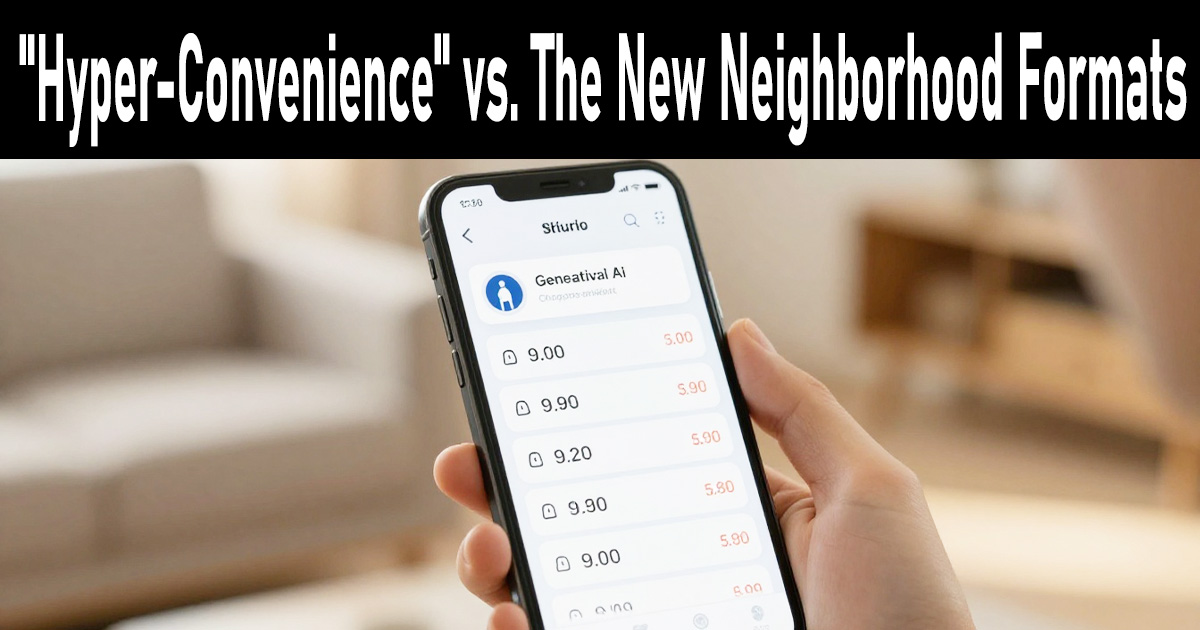
The summer slump is dead—not fading. A Retail Insider report from March 2026 points to generative-AI tools like Google’s Gemini, Perplexity, and Amazon’s Rufus as the culprit. Instead of clicking through category pages, a shopper asks an assistant to find the best price on a specific item or surface a promo code, and the tool scans dozens of retailers in seconds. Inflation keeps budgets tight, so the habit has spread fast. Retailers that don’t optimize product data for this kind of search risk becoming invisible, the report warns.
What gets lost, of course, is brand loyalty. “Brands spent the last decade building seamless mobile apps and fast delivery. Now the front door is an AI that doesn’t care about loyalty; it cares about the lowest number,” one digital commerce consultant told Retail Insider. Pair that with 30-minute delivery windows, and you get what strategists are calling “hyper-convenience”—a frictionless tube from query to doorstep that rewards size, logistics, and razor-thin margins. It’s a race to the bottom, and the only winners are the ones who own the warehouses and the delivery vans.
A Small-Store Test in Vancouver
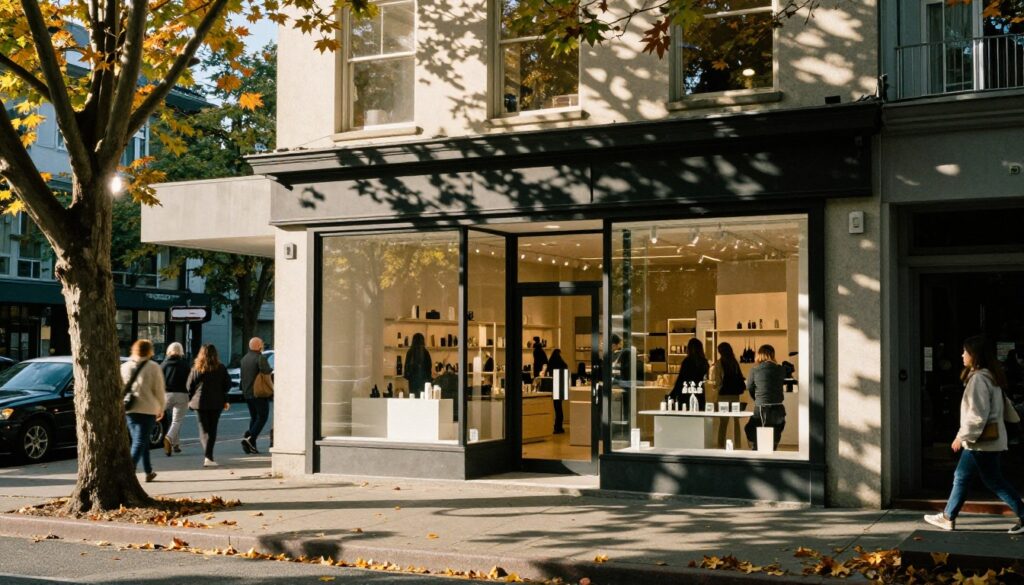
So it’s jarring to see Sephora, a company that runs 147 stores in Canada, opening its first-ever “small store” format in Vancouver’s Kitsilano neighbourhood on June 5. Under 2,100 square feet—roughly a quarter the footprint of a traditional Sephora outpost—the space will stock a pared-down roster of labels: Glow Recipe, Rare Beauty, Sol de Janeiro, and Sephora’s own lines.
Thomas Haupt, Sephora Canada’s country general manager, says the move is about meeting clients “where they already live and spend their time.” Testing and touching products matters in beauty—it’s experiential in ways that resist algorithm. Experts matter too. That’s why, he contends, this category remains one where hands-on discovery beats the convenience trap.
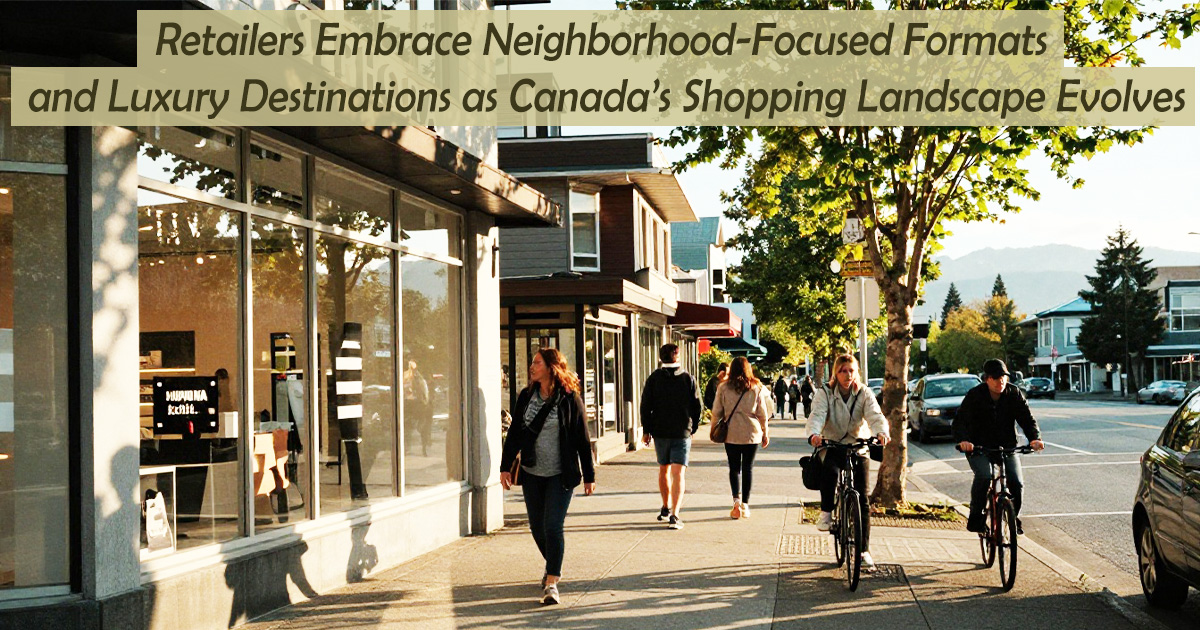
The Kitsilano store is part of a wider push. Menswear chain Harry Rosen and Nespresso both recently opened concept boutiques at Oakridge Park in Vancouver that emphasize personal consultation, styling services, and spaces designed for lingering, not quick transactions.
These formats depend on high sales per square foot and deep customer relationships rather than heavy foot traffic. A gamble that a little shop can become part of a morning coffee run or an evening walk. It’s the opposite of hyper-convenience, and the math only works if shoppers are willing to pay for more than a price tag.
Two Paths, a Squeezed Middle

Both approaches can coexist, but the middle ground is disappearing. A consumer might let a chatbot find the cheapest laundry detergent and still show up at a curated boutique for a lipstick discovery.
The two tracks just demand opposite infrastructure. Hyper-convenience leans on warehouse automation, electric delivery fleets, and data-driven inventory that might eventually shrink the need for large storefronts in high-rent areas. The neighbourhood model bets on tactile, social connection—the kind that takes up expensive square footage and staff hours. Retailers caught with large legacy leases and undifferentiated merchandise, meanwhile, are getting squashed between them.
What’s Next
Sephora hasn’t announced more small-format locations, but the release reads like Kitsilano is a test. If the numbers work, other dense neighbourhoods would be obvious candidates. On the digital side, Google and Amazon are racing to add transactional capabilities that not only find a price but complete the purchase inside a single interface.
Privacy questions linger, but adoption is accelerating. The Kitsilano store opens June 5. By August, we’ll know if the summer slump is truly dead and whether a 2,000-square-foot Sephora can hold its own against a chatbot that doesn’t care about curation.