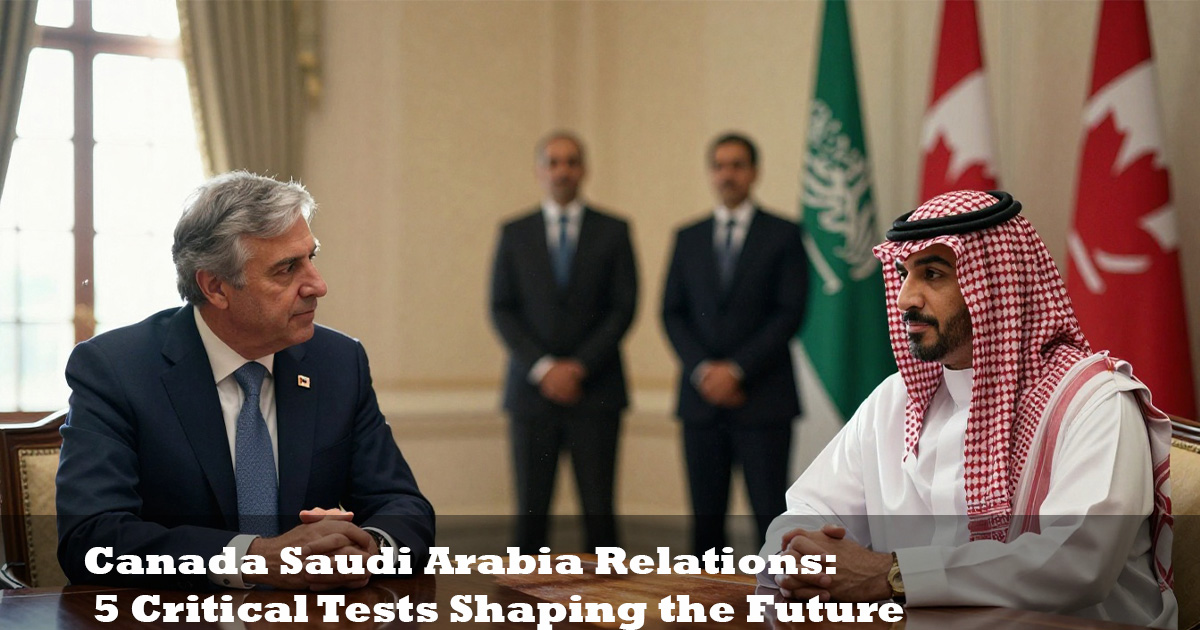
Canada Saudi Arabia Relations were supposed to enter a calmer and more practical chapter. A planned diplomatic visit to Riyadh was designed to focus on investment, clean energy cooperation, trade opportunities, and stronger economic connections.
Instead, the timing changed everything.
As tensions between the United States and Iran escalated and a fragile ceasefire collapsed, Canadian officials arrived in Saudi Arabia facing a completely different reality. The conversations that were expected to center around business deals suddenly became discussions about regional security, supply chains, and global uncertainty.
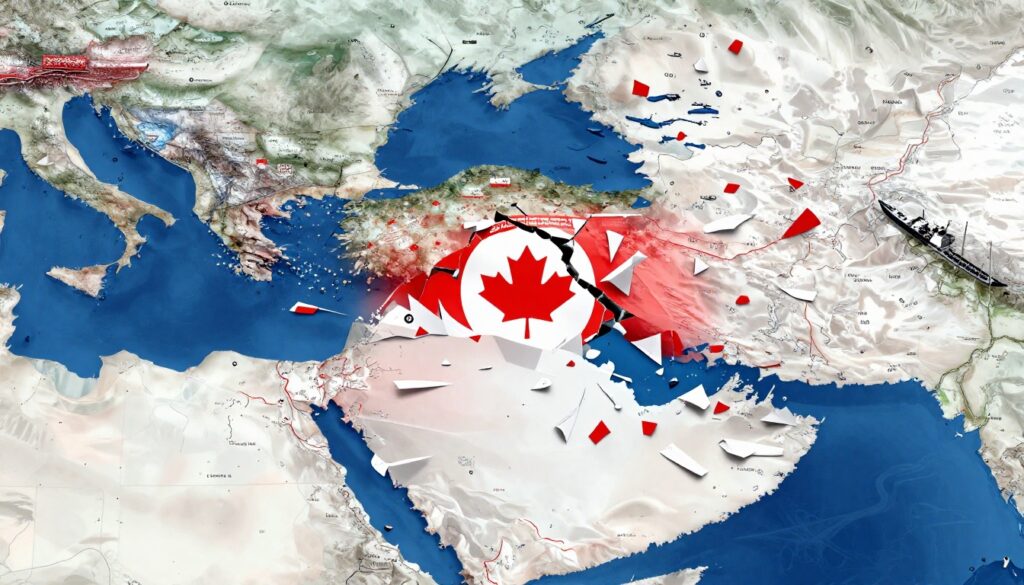
This moment represents one of the biggest challenges for Canada Saudi Arabia Relations in recent years.
The relationship has always involved a complicated balance. Canada sees Saudi Arabia as an important economic partner, especially in energy, investment, and regional diplomacy. At the same time, Canadian politicians and human rights organizations have continued to raise concerns about Saudi Arabia’s domestic policies.
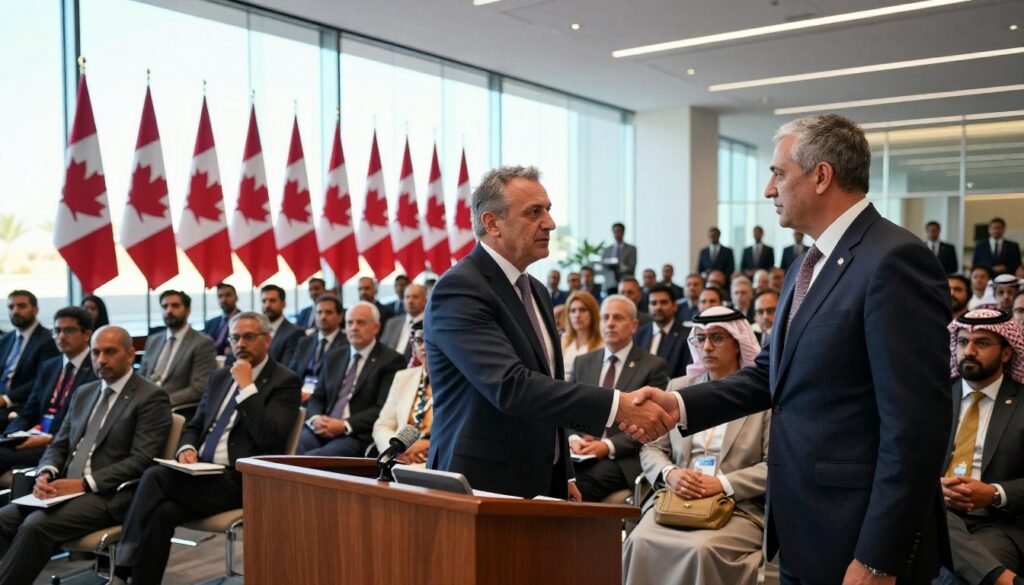
Now, with conflict risks increasing across the Gulf region, both countries must answer an important question:
Can a partnership built around economic opportunity survive a period of political instability?
Canada Saudi Arabia Relations Enter a Critical Moment
For years, Canada and Saudi Arabia have maintained a relationship based on practical interests.
Saudi Arabia is one of the world’s largest energy producers and an influential player in global markets. Canada, meanwhile, offers advanced technology, agricultural products, aerospace expertise, mining experience, and clean-energy solutions.
The economic connection has grown through:
- Energy cooperation
- Agricultural exports
- Infrastructure projects
- Investment opportunities
- Education partnerships
- Technology development
However, international relationships rarely exist in isolation.
When conflict spreads in the Middle East, the effects reach far beyond the region. Shipping routes become more expensive, energy prices become unpredictable, and companies reconsider major investments.
The latest crisis has placed Canada Saudi Arabia Relations under a spotlight because Ottawa must balance economic interests with foreign policy values.
For Canadian leaders, the challenge is clear: maintain cooperation while addressing serious concerns about security and human rights.
Test One: Can Trade Survive Regional Instability?
Trade is one of the strongest foundations of Canada Saudi Arabia Relations.
Canadian companies have long viewed Saudi Arabia as a market with significant potential. Machinery, agricultural products, technology services, and industrial expertise remain important parts of bilateral commerce.
However, global conflicts can quickly change business calculations.
When tensions rise near major shipping routes, companies face:
- Higher transportation costs
- Delayed deliveries
- Increased insurance expenses
- Uncertain investment decisions
Businesses that were preparing agreements may suddenly slow down.
A mining company considering a major Saudi investment, for example, may decide to wait until the security situation becomes clearer. A Canadian exporter may need to rethink shipping plans if regional transportation becomes unpredictable.
This does not mean trade relationships disappear overnight.
Instead, it means both governments must create confidence. Companies need stability, clear communication, and long-term commitments before moving forward with large projects.
The future of Canada Saudi Arabia Relations will depend heavily on whether economic cooperation can continue during uncertain times.
Test Two: Energy Security Becomes the New Priority
Energy has always played a major role in international politics.
Saudi Arabia’s influence comes partly from its position as a major oil producer. Any threat to Gulf stability can immediately affect energy markets worldwide.
For Canada, energy security has multiple dimensions.
Canadian consumers watch fuel prices closely. Provinces with strong energy industries pay attention to global oil demand. Businesses across the country feel the effects of rising transportation and production costs.
A disruption in the Middle East can create pressure on economies thousands of kilometres away.
This makes energy cooperation an important part of Canada Saudi Arabia Relations.
Canada has also been promoting cleaner energy technologies. Saudi Arabia has invested heavily in renewable projects and economic diversification through initiatives designed to reduce dependence on oil.
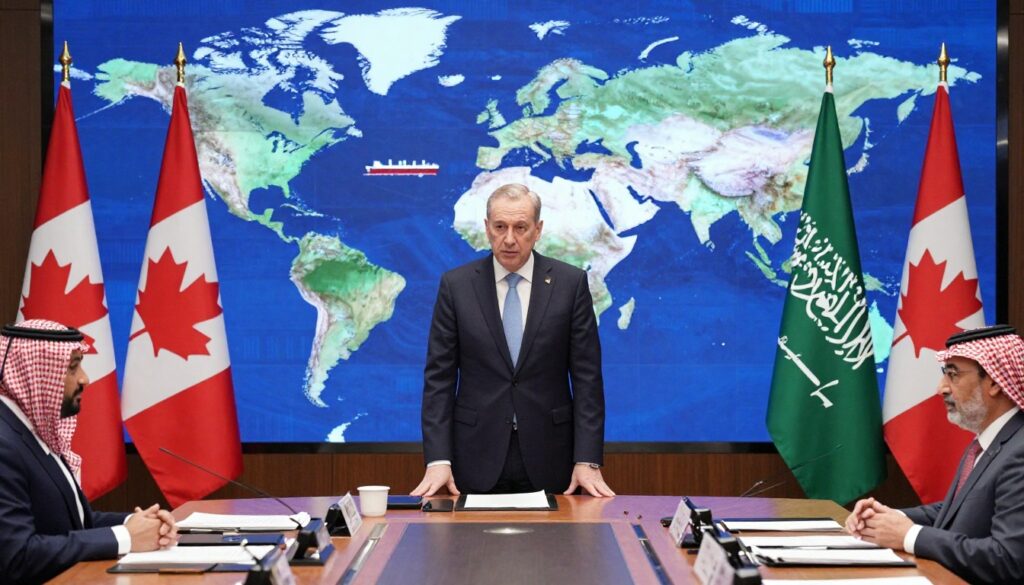
That creates potential opportunities.
Canadian companies specializing in:
- Renewable energy
- Carbon reduction technology
- Mining innovation
- Clean infrastructure
could become valuable partners.
However, these opportunities depend on political stability.
Investors want to know that agreements signed today will still make sense tomorrow.
Test Three: Balancing Human Rights and Diplomacy
One of the most difficult issues in Canada Saudi Arabia Relations has always been the balance between engagement and criticism.
Canadian governments have faced pressure from human rights groups over Saudi Arabia’s record on issues including freedom of expression, treatment of activists, and the killing of journalist Jamal Khashoggi.
Critics argue that closer economic ties risk ignoring important values.
Supporters of engagement argue that diplomacy requires communication, especially with countries that have significant global influence.
This debate has followed Canadian leaders during visits to Riyadh.
The challenge is finding a realistic approach.
A complete breakdown in relations may reduce Canada’s ability to influence discussions. However, ignoring concerns could damage Canada’s reputation internationally.
Successful diplomacy often requires difficult conversations behind closed doors.
Canadian officials have repeatedly emphasized that cooperation does not prevent discussions about human rights.
The coming years will show whether Canada can maintain a productive relationship while continuing to express concerns.
Test Four: Security Cooperation in a Dangerous Region
The Middle East remains one of the most strategically important regions in the world.
Saudi Arabia sits at the center of many security discussions because of its location, economic influence, and relationship with global powers.
The collapse of a U.S.-Iran ceasefire creates new concerns about possible escalation.
For Canada, security issues involve more than military concerns.
They include:
- Protection of diplomatic personnel
- Safety of citizens abroad
- Cybersecurity threats
- International terrorism risks
- Protection of global trade routes
These challenges create another test for Canada Saudi Arabia Relations.
Canada does not have the same regional military presence as some other countries, but it still has interests in Gulf stability.
Diplomatic cooperation, intelligence sharing, and international partnerships can help reduce risks.
The situation also highlights the importance of communication between governments.
During periods of crisis, strong diplomatic channels become even more valuable.
Test Five: The Future of Canada-Gulf Economic Partnerships
Beyond immediate security concerns, the long-term question is whether Canada and Saudi Arabia can build a stronger economic partnership.
Saudi Arabia has been transforming its economy through a major diversification strategy. The country is investing in tourism, technology, infrastructure, and renewable energy.
This creates possible opportunities for Canadian businesses.
Areas with growth potential include:
Technology
Saudi Arabia is seeking advanced digital solutions, artificial intelligence expertise, and innovation partnerships.
Mining
Canada’s mining experience could support Saudi efforts to develop mineral resources.
Agriculture
Canadian agricultural exports remain valuable as Saudi Arabia focuses on food security.
Clean Energy
Both countries have expressed interest in energy transition projects.
However, economic partnerships require trust.
Investors need predictable regulations, stable markets, and confidence that political disagreements will not suddenly disrupt cooperation.
The future of Canada Saudi Arabia Relations will depend on whether both countries can move beyond short-term challenges and create practical long-term benefits.
What Comes Next for Canada and Saudi Arabia?
The current crisis has changed the tone of diplomatic discussions.
A visit that was originally planned around trade and investment has become a test of leadership.
Canadian officials must carefully manage several priorities:
- Protect Canadian economic interests
- Support regional stability
- Maintain diplomatic relationships
- Address human rights concerns
- Encourage responsible investment
Saudi Arabia also faces difficult choices.
The country wants international investment and stronger partnerships, but regional conflicts can make those goals harder to achieve.
The relationship between Ottawa and Riyadh will likely continue evolving.
It may become more focused on realistic cooperation rather than symbolic agreements.
In international politics, strong partnerships are often built during difficult moments.
Canada Saudi Arabia Relations are entering a defining period.
The collapse of a U.S.-Iran ceasefire has created new uncertainty, but it has also revealed how important diplomatic relationships can become during global crises.
Trade, energy, security, human rights, and investment will all shape the next chapter.
Canada and Saudi Arabia do not always share the same perspectives, but both countries recognize the value of continued communication.
The biggest test will be whether they can manage disagreements while still finding areas where cooperation benefits both sides.
A successful partnership will not be built only through business agreements or official meetings. It will depend on trust, transparency, and the ability to navigate complicated challenges together.
For now, Canada Saudi Arabia Relations remain a partnership full of opportunity — but also one facing some of its most important tests yet.