
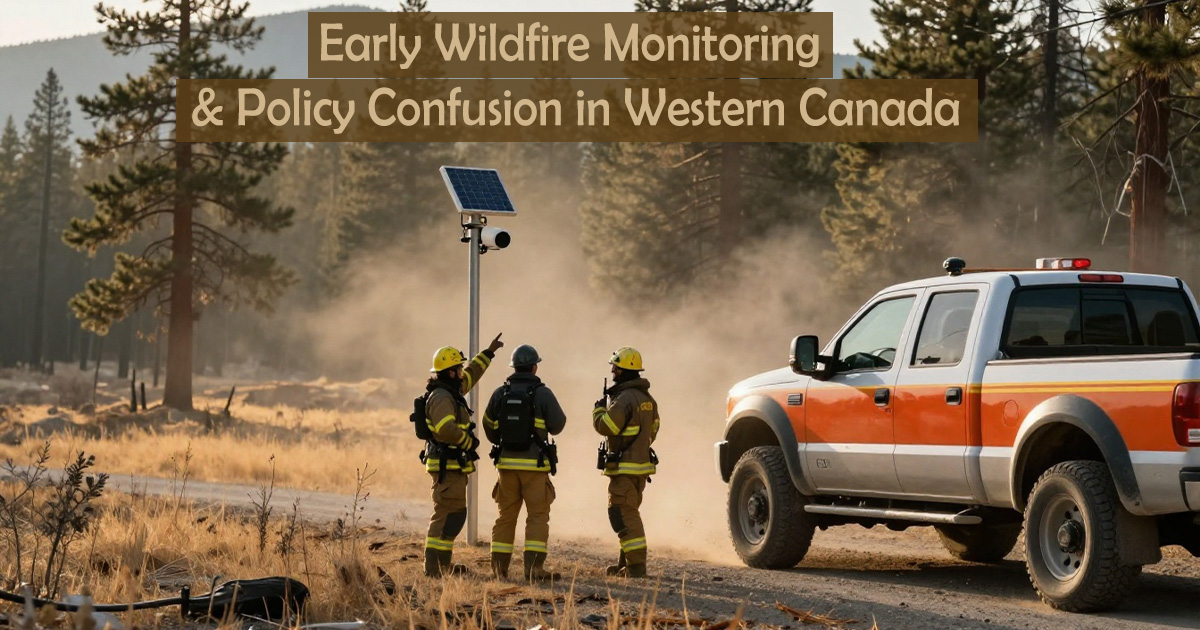
Western Premiers Scramble as Heat Dome Looms and Ottawa’s Rule Changes Add Confusion
Western premiers are scrambling this week. Emergency coordination meetings. A heat dome that could park itself over B.C. and Alberta for ten days—sending thermometers past 38°C—is colliding with Ottawa’s quiet rule changes on environmental reviews, changes fire officials say they didn’t see coming and don’t know how to interpret. The whole thing adds a thick layer of uncertainty to what was already a grim early wildfire outlook. They meet Thursday.
The weather is the immediate worry. Environment Canada issued a special weather statement Tuesday morning, warning that a strong upper ridge will settle over southern B.C. and much of Alberta by Monday and linger at least seven to ten days. Daytime highs could hit 38°C in the Interior.
Overnight lows will stay warm enough to offer almost no recovery. Rainfall deficits since April are more than 40 per cent below normal in the Okanagan, Kootenay, and northern Alberta near Fort McMurray. The land is dry.
The premiers’ meeting—virtual, with Alberta’s Danielle Smith, Saskatchewan’s Scott Moe, and Manitoba’s Wab Kinew joining David Eby—will focus on cross-border resource sharing, mutual aid, and early detection investments, according to Eby’s office. A joint communiqué is expected Friday. Behind the scenes, the urgency has another driver: Ottawa’s May amendments to the Impact Assessment Act.
Those changes were billed as streamlining. They shorten public comment periods and limit the scope of environmental reviews for certain fuel management projects, including prescribed burns and firebreaks.
Critics call them a rollback, plain and simple. A briefing note prepared for an NDP MP and seen by The Canadian Press argued the new rules could let logging interests fast-track clear-cuts under the guise of fuel reduction.
Provincial officials, meanwhile, say the amendments have created a mess of confusion about how quickly they can move on thinning projects that require federal environmental permits—because of fish habitat or migratory birds. “We expected the federal government to be a partner in speeding up risk reduction on the ground, but what we got was a set of rules that no one quite knows how to interpret yet,” said a Saskatchewan government spokesperson.
The timing, with every day critical, is not helpful. Natural Resources Canada pushed back, saying the amendments are meant to get boots on the ground faster without sacrificing environmental integrity and that clear guidance has gone out to provinces. “Any interpretation delays should be short-lived.”
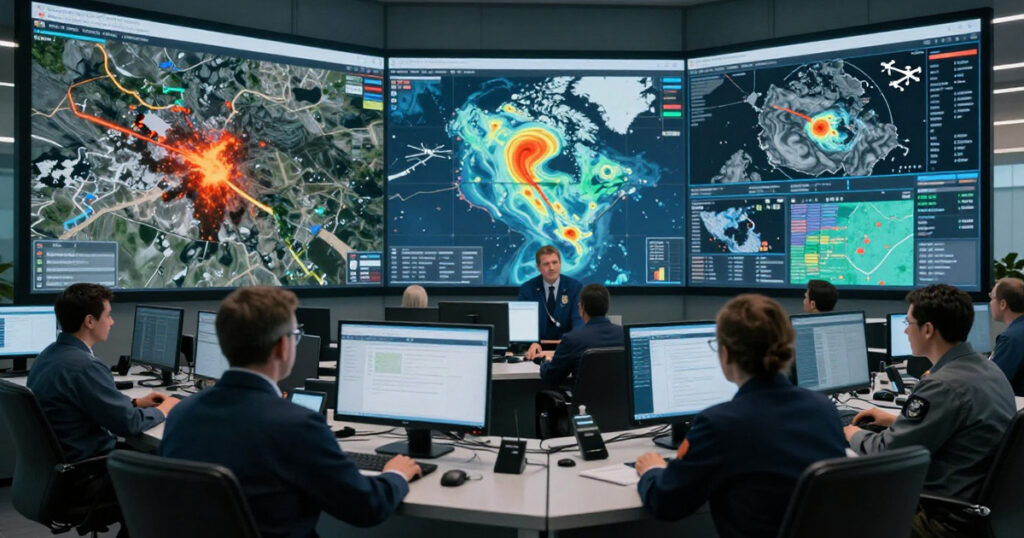
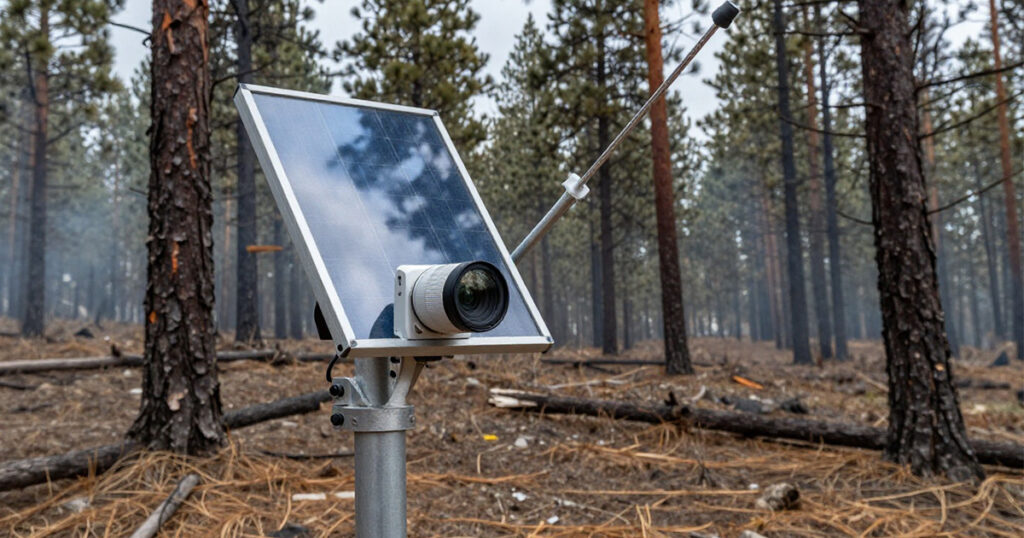
While politicians talk, wildfire agencies are acting. BC Wildfire Service has accelerated its Eye on Fire network: more than 200 high-resolution cameras with near-infrared sensors that can detect smoke plumes within minutes of ignition. Alberta Wildfire has repositioned drone-mounted thermal sensors and added four lightning detection stations along the Rockies’ eastern slopes.
At the national level, CIFFC activated a new satellite hotspot contract two weeks earlier than planned, providing coverage every 15 minutes during daylight hours across the western provinces. Mike Flannigan, a wildland fire professor at Thompson Rivers University, summed up the calculus.
“You simply cannot wait for a 911 call when a fire is already running,” he said. Early detection buys the hours needed to get crews and equipment into position before things blow up.
First Nations in the danger zones have been pushing for direct federal funding for months. The AFN passed a resolution in April demanding a dedicated $200-million wildfire resilience fund, allocated outside the usual proposal-based programs that small communities find nearly impossible to navigate.
Chief Judy Wilson of Neskonlith Indian Band, whose territory lies in the B.C. Interior under heat watch, put it bluntly: “We are surrounded by forests that have become tinderboxes because of decades of climate change and fire suppression. When the fire comes, it comes fast, and we need the resources already in place—not an application form.” Premier Kinew is expected to raise that funding gap Thursday.
His office confirmed Manitoba has committed $15 million of its own money to help northern First Nations build firebreaks, but federal cost-sharing remains uncertain under the new regulatory framework.
Next Steps
Friday’s joint statement is expected to call for a first ministers’ conference on wildfire preparedness no later than mid-July. The premiers may also ask Ottawa to pause the most contentious of the environmental assessment changes until after fire season. Federal Environment Minister Steven Guilbeault has a regularly scheduled meeting with provincial and territorial counterparts next Tuesday, where coordination is already on the agenda.
Weather models suggest the heat dome could expand eastward into Saskatchewan and Manitoba by the second week of July. CIFFC’s seasonal outlook from June 1 forecasts above-normal fire activity across all four western provinces through August. As one Alberta Wildfire management officer put it: “We’re not asking if we’ll have a bad season. We’re asking how bad it’s going to be, and whether we’ll have the resources to meet it head-on.”

One thought on “Weather : Early Wildfire Monitoring & Changing Policies”