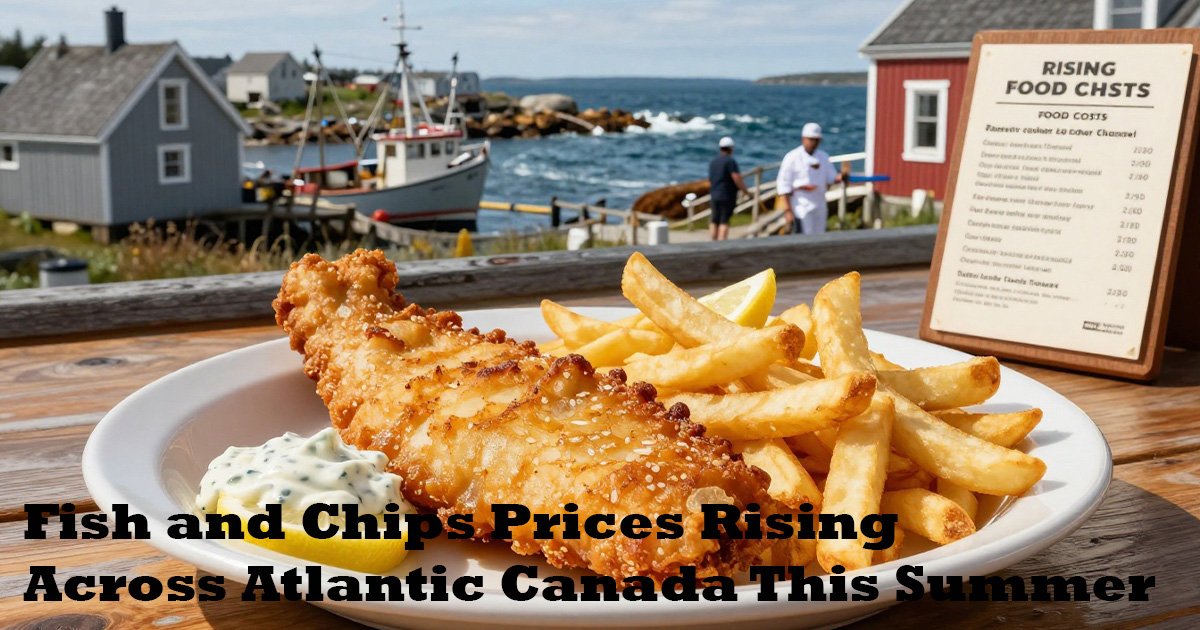
Fish and chips prices rising across Atlantic Canada has become one of the biggest food stories of the summer. A meal that has long represented affordable comfort, seaside traditions, and family gatherings is now becoming a more expensive treat for many customers.
For generations, a plate of crispy battered haddock with golden fries has been a symbol of Maritime summers. It has been enjoyed by locals after a day near the water and by tourists looking for an authentic Atlantic Canadian experience.
However, this year’s soaring haddock costs are changing the numbers behind the counter. Many restaurants in Nova Scotia, New Brunswick, and Prince Edward Island are now charging close to $26 for a two-piece fish and chips dinner.
The increase is not simply a restaurant decision. Owners are facing higher seafood costs, rising labour expenses, increased transportation fees, and more expensive ingredients. The result is a difficult balance between keeping a beloved menu item available and staying financially sustainable.
Why Fish and Chips Prices Rising Has Become a Major Concern
The biggest reason behind this summer’s price jump is the sharp increase in haddock costs. Haddock is the traditional choice for many Atlantic Canadian fish and chip shops because of its mild flavour, firm texture, and ability to stay moist after frying.
Over the years, customers have come to expect fresh local haddock when ordering this classic dish. That expectation makes changing ingredients a difficult decision for many restaurant owners.
The current market situation has created a challenge unlike anything many operators have experienced before. Wholesale prices that once seemed manageable have climbed rapidly, leaving businesses with limited options.
For customers, the change is noticeable immediately. A meal that was once considered an affordable outing now requires more planning, especially for families ordering multiple portions.
What Is Causing Haddock Prices to Increase?
Reduced Supply and Lower Fishing Quotas
One of the main factors behind rising haddock prices is supply. Fishing quotas have been reduced as regulators work to protect haddock stocks and support long-term sustainability.
While these conservation efforts are important, they also mean fewer fish are available for buyers. When supply decreases while demand remains strong, prices naturally increase.
Food industry experts, including Sylvain Charlebois from Dalhousie University’s Agri-Food Analytics Lab, have pointed to supply pressure as a major driver behind the current situation.
The seafood industry is also dealing with higher operating costs. Processing, transportation, fuel, labour, and energy expenses have all increased. These costs eventually reach restaurants and customers.
Rising Costs Beyond Haddock
The price of fish is only one part of the problem. Running a fish and chip shop requires many ingredients and resources.
Cooking oil, for example, has become a major expense for restaurants. Fry shops use large amounts of oil every day, and even small increases can significantly affect operating costs.
Packaging, wages, utilities, and delivery expenses have also added pressure. When all these increases happen at the same time, restaurants must adjust their menu prices to survive.
Restaurant Owners Brace for the Jump
For many restaurant owners, the current situation feels unpredictable. Businesses that have served affordable seafood meals for years are now being forced to make difficult choices.
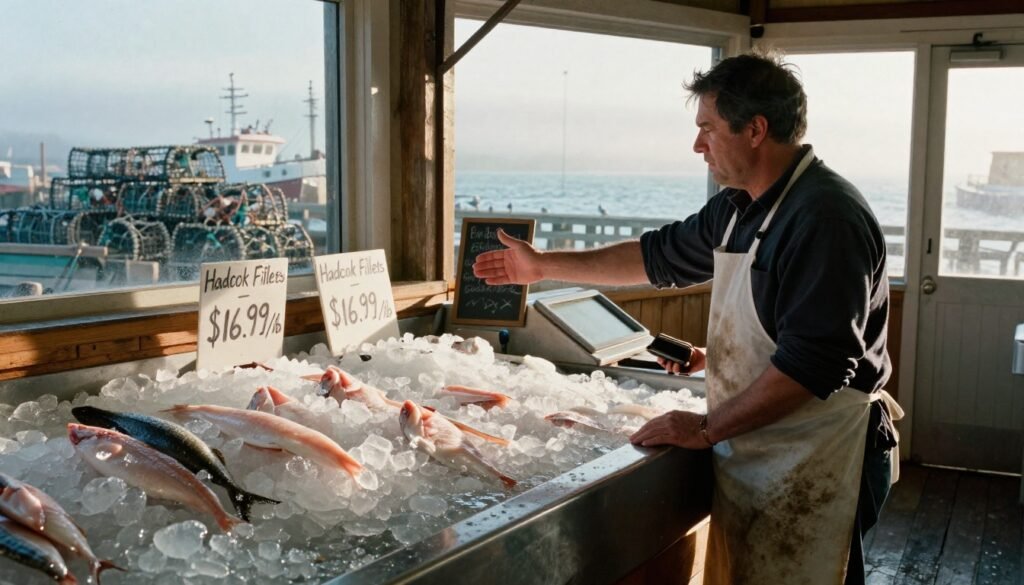
Will Gilligan, owner of the Old No. 7 Restaurant and Sports Bar in Head of Jeddore, Nova Scotia, remembers paying around $6 or $7 per pound for haddock when he first opened. Today, he is preparing for prices that could reach $16 or more per pound.
That increase has pushed him toward a major menu adjustment. His two-piece fish and chips meal is expected to reach $25.99, marking one of the biggest price changes his restaurant has ever made.
Other restaurant operators are experiencing similar challenges.
Peter Katsihtis, chef at the Pleasant Street Diner in Dartmouth, has also seen haddock prices rise significantly. His restaurant previously purchased haddock for under $11 per pound. The current increase represents a dramatic change that has affected the entire operation.
Many businesses have posted messages on social media explaining the situation to loyal customers. The message is clear: the dish is staying, but it will cost more.
Why Replacing Haddock Is Not an Easy Solution
Some restaurants could consider switching to cheaper alternatives such as pollock. However, replacing haddock is complicated because customers have strong expectations.
For many Atlantic Canadians, fish and chips means haddock. The taste, texture, and local connection are part of the experience.
Restaurant owners worry that changing the fish could disappoint longtime customers who return specifically for fresh haddock.
Tourism also plays an important role. Seafood restaurants are a major attraction for visitors exploring the Maritimes. A substitute product may reduce costs, but it could also change the identity of a signature regional meal.
This emotional connection explains why many businesses are choosing to increase prices instead of removing haddock from their menus.
What Diners Can Expect as Fish and Chips Prices Rising Continues
The outlook for lower prices is uncertain. If supply remains limited and quotas stay tight, customers may continue seeing higher menu prices throughout the season.
Experts suggest that the current increase may not disappear quickly. Restaurants are already adjusting their purchasing strategies, but there is only so much they can do when ingredient costs rise so sharply.
For diners, this may mean fewer casual seafood meals or more careful choices when eating out. Families who previously ordered fish and chips regularly may decide to make it an occasional treat.
Tourists visiting Atlantic Canada may also notice the difference. Seafood is one of the region’s biggest attractions, and higher prices could influence how visitors plan their dining experiences.
Still, many customers understand the challenge. Local restaurants are not simply raising prices for profit. They are responding to a difficult supply situation affecting the entire seafood industry.

How Rising Seafood Costs Affect Atlantic Canada’s Food Culture
Food is closely connected to regional identity, and few meals represent Atlantic Canada more than fish and chips.
The dish has always offered a combination of simplicity and tradition. It is the kind of meal people enjoy at waterfront restaurants, small-town diners, and roadside seafood stands.
The current situation shows how global and environmental pressures can affect even the most familiar local foods.
Climate conditions, fisheries management decisions, labour shortages, and inflation all influence what appears on restaurant menus. The rising cost of haddock is not only a business issue; it reflects broader changes happening throughout the food system.
Although fish and chips prices rising may frustrate some customers, the demand for this classic meal remains strong. Many people are willing to pay more because of the memories and traditions connected to it.
Fish and chips prices rising is creating a challenging summer for restaurants and customers across Atlantic Canada. The combination of limited haddock supply, increased operating costs, and strong demand has pushed this beloved meal into a new price range.
For restaurant owners, the goal is to protect quality while keeping the dish available. For customers, it means adjusting expectations and understanding the pressures behind the menu changes.
A $25-plus fish and chips dinner may feel surprising, especially for a meal once considered affordable comfort food. However, the story behind the price is about more than inflation. It is about protecting fisheries, supporting local businesses, and maintaining a food tradition that has been part of Atlantic Canadian life for decades.
While prices may continue to change, the connection people have with fresh haddock and classic fish and chips is unlikely to disappear.
The summer meal may cost more, but for many seafood lovers, it remains a taste of the Atlantic worth enjoying.