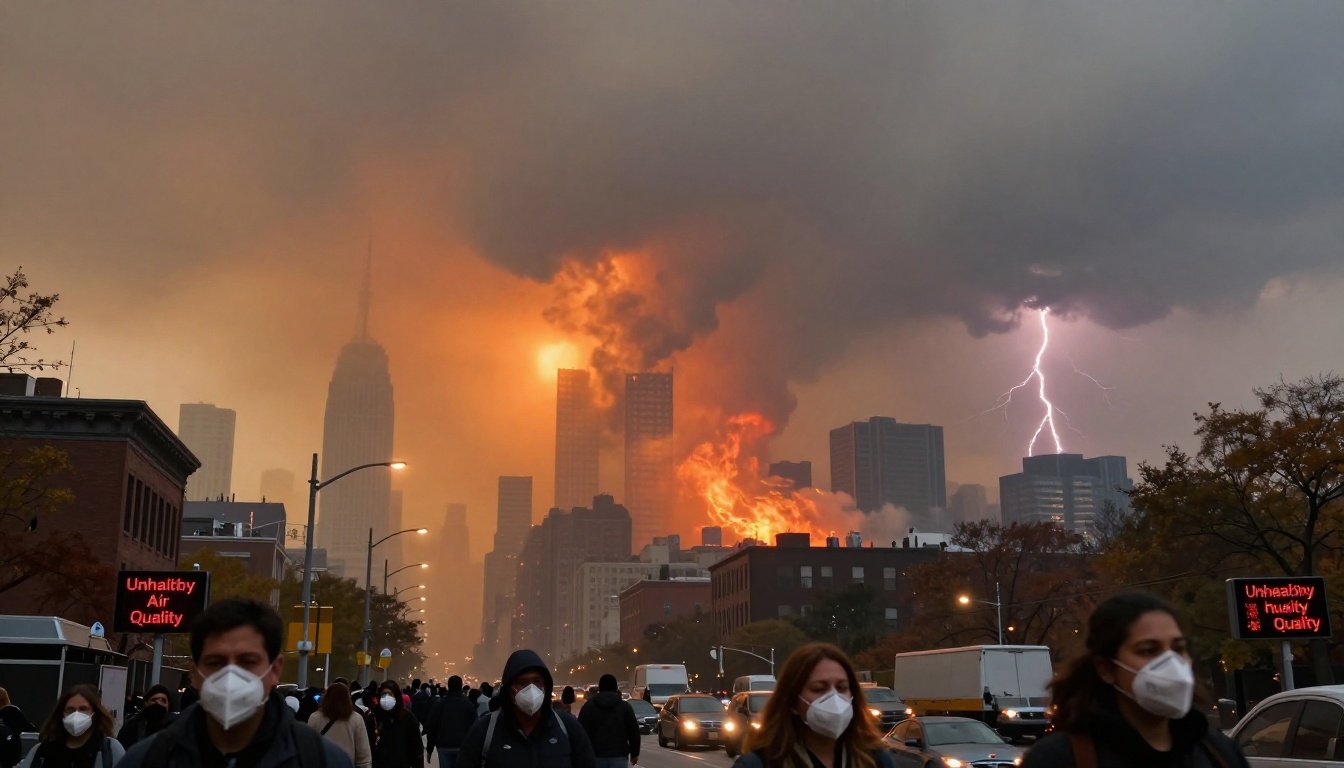
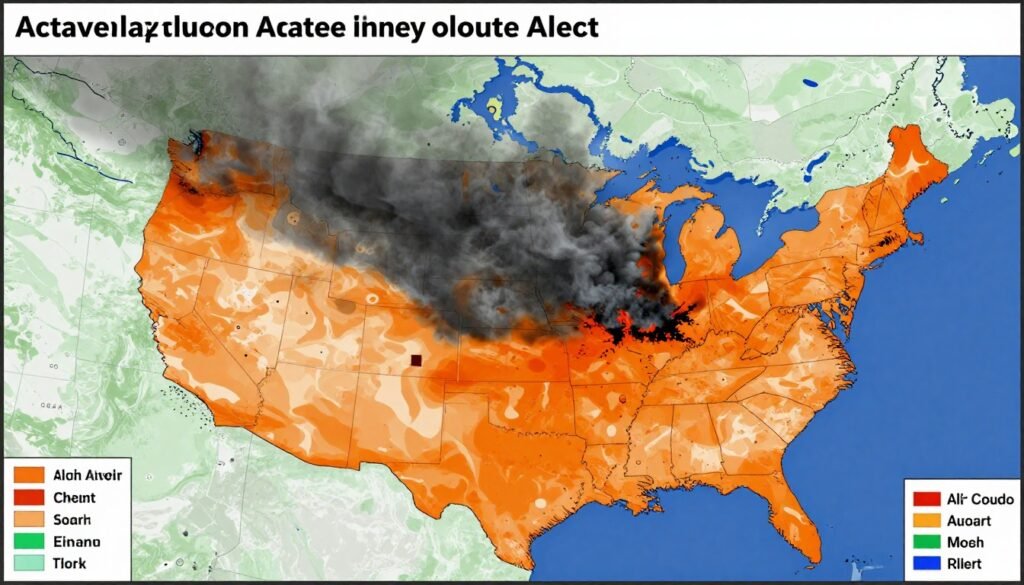
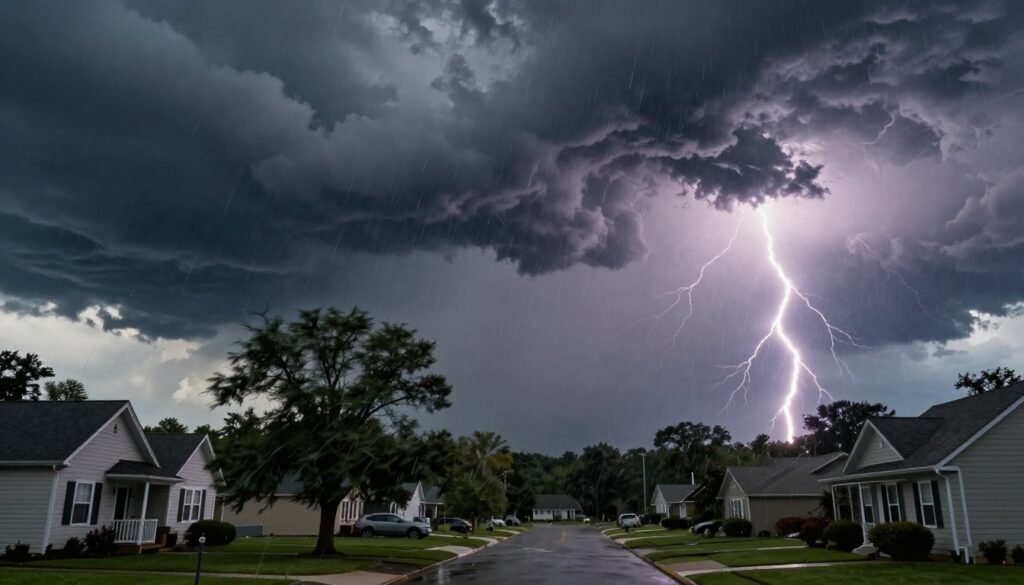
Wildfire season has become an unfortunate reality across North America, and Canadian Wildfire Smoke is once again creating dangerous conditions for millions of people across the Northeastern United States. As thick smoke drifts south from hundreds of active wildfires in Canada, another weather threat is developing. Severe thunderstorms capable of producing damaging winds, flash flooding, large hail, and even isolated tornadoes are expected to impact the same region.
This combination of poor air quality and extreme weather creates a unique challenge. Families must protect themselves from harmful smoke while also preparing for rapidly changing weather conditions. Understanding the risks and taking simple precautions can help reduce health problems and improve safety throughout the weekend.
Why Canadian Wildfire Smoke Is Back
More than 180 wildfires continue burning across northern Ontario and nearby Canadian provinces. Many of these fires were started by lightning strikes after weeks of dry weather and drought conditions.
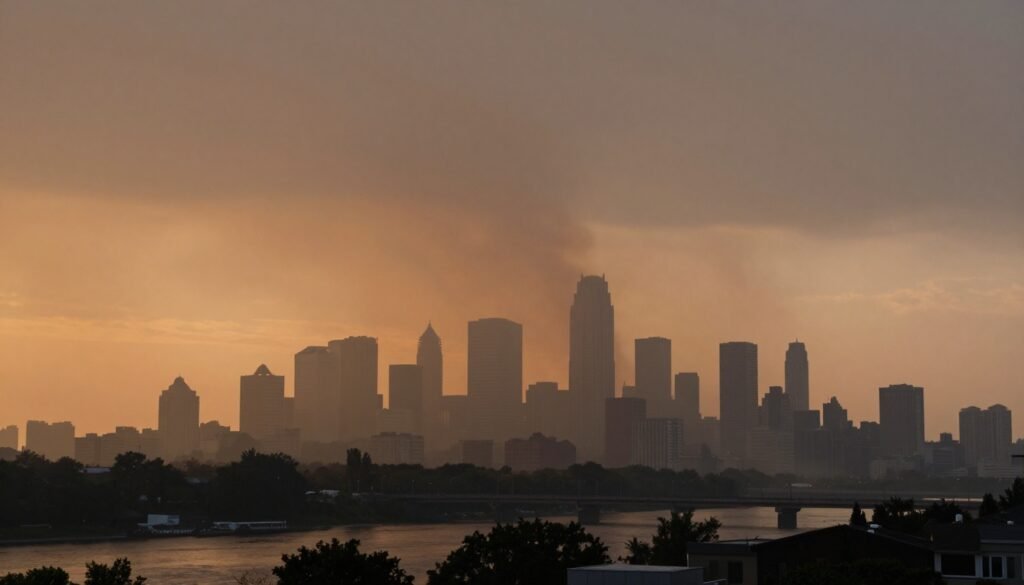
A strong northwesterly wind pattern is carrying the smoke thousands of miles into the United States. Cities from the Upper Midwest to Pennsylvania, New York, and New England are experiencing hazy skies and unhealthy air quality.
This isn’t the first smoke event of the summer. In fact, it is already the fifth major episode affecting eastern North America, showing how wildfire seasons are becoming longer and more intense.
Areas Most Affected by Canadian Wildfire Smoke
Air quality alerts have been issued across several states, including:
- Pennsylvania
- New York
- Vermont
- New Hampshire
- Massachusetts
- Connecticut
- Maine
- Parts of the Upper Midwest
Residents may notice:
- Reduced visibility
- Orange or red sunsets
- Burning smell outdoors
- Fine ash on vehicles
- Eye irritation
- Scratchy throat
- Persistent coughing
Why Canadian Wildfire Smoke Is Dangerous
The biggest concern isn’t what you can see—it’s what you can’t.
Wildfire smoke contains extremely small particles known as PM2.5. These particles are tiny enough to travel deep into the lungs and even enter the bloodstream.
Exposure may cause:
- Coughing
- Wheezing
- Shortness of breath
- Chest discomfort
- Eye irritation
- Fatigue
- Headaches
Longer exposure may worsen existing heart and lung conditions and increase the risk of emergency medical visits.
Even healthy adults can experience breathing difficulties during prolonged exposure.
Who Faces the Highest Health Risk?
Children
Young lungs are still developing, making children especially sensitive to smoke pollution.
Older Adults
Seniors often have underlying medical conditions that make breathing problems more serious.
People with Asthma or COPD
Individuals with respiratory illnesses may notice symptoms becoming worse within hours of exposure.
People with Heart Disease
Poor air quality places additional stress on the cardiovascular system and may increase the likelihood of heart-related complications.
Outdoor Workers
Construction crews, delivery drivers, landscapers, and emergency responders spend extended periods outside, increasing their exposure.
Canadian Wildfire Smoke and Severe Storms Create a Double Threat
While smoke blankets much of the Northeast, meteorologists are also tracking a powerful weather system.
Warm, humid air from the south is colliding with cooler Canadian air. This clash creates ideal conditions for severe thunderstorms.
The primary threats include:
Damaging Wind Gusts
Strong winds can knock down trees, damage roofs, and cause widespread power outages.
Large Hail
Some storms may produce hail large enough to damage vehicles, roofs, and crops.
Flash Flooding
Heavy rainfall over a short period can quickly overwhelm roads and drainage systems.
Never drive through flooded streets, as water depth can be difficult to judge.
Isolated Tornadoes
Although tornadoes are not expected everywhere, atmospheric conditions may support a few isolated tornadoes in parts of the Mid-Atlantic and Northeast.
Can Rain Remove Canadian Wildfire Smoke?
Rain can temporarily improve air quality by washing smoke particles from the atmosphere.
However, scattered thunderstorms usually provide only short-term relief.
Meteorologists explain that the wildfire regions need widespread, soaking rainfall to slow the fires. Brief thunderstorms may actually create additional fire starts through lightning strikes.
Until sustained rainfall reaches the fire zones, smoke is likely to continue returning with changing wind patterns.
Practical Safety Tips During Canadian Wildfire Smoke
Protecting yourself doesn’t have to be complicated. A few simple steps can make a significant difference.
Stay Indoors When Air Quality Is Poor
If air quality reaches unhealthy levels, avoid unnecessary outdoor activities.
Keep Windows Closed
Close doors and windows to prevent smoke from entering your home.
Use an Air Purifier
A HEPA air purifier can help remove fine smoke particles indoors and improve indoor air quality.
Reduce Physical Activity Outside
Running, cycling, or heavy outdoor work increases the amount of polluted air entering your lungs.
Wear a High-Quality Mask
If you must spend time outdoors, a properly fitted N95 or KN95 mask offers much better protection against fine smoke particles than cloth masks.
Monitor Air Quality
Check local air quality updates throughout the day because conditions can change quickly as winds shift.
Preparing for Severe Storms
Smoke isn’t the only concern this weekend.
Take a few minutes to prepare before storms arrive.
Charge Electronic Devices
Power outages are possible if damaging winds bring down trees and power lines.
Secure Outdoor Items
Patio furniture, grills, and decorations should be brought inside or tied down.
Stay Weather Aware
Enable emergency alerts on your phone and keep a battery-powered flashlight nearby.
Avoid Flooded Roads
Turn around instead of attempting to drive through standing water.
What to Expect Early Next We
A cold front moving south from central Canada is expected to trigger another round of severe thunderstorms from Michigan through Illinois and into Missouri before shifting toward the Ohio Valley and parts of the Northeast.
Meanwhile, only limited rainfall is forecast over many Canadian wildfire zones.
Unless heavier rainfall develops, wildfire activity is expected to continue, meaning additional smoke events remain possible later this summer
Frequently Asked Questions
Is Canadian Wildfire Smoke harmful even if I feel healthy?
Yes. Fine smoke particles can affect healthy individuals, although those with existing medical conditions face greater risks.
Can I exercise outside?
It’s best to avoid strenuous outdoor exercise when air quality is poor.
Does rain permanently remove wildfire smoke?
No. Rain offers temporary improvement, but smoke can return if winds continue carrying it into the region.
Should I wear a mask outdoors?
If outdoor activity is necessary during heavy smoke conditions, a properly fitted N95 or KN95 mask provides the best protection.
The return of Canadian Wildfire Smoke highlights how closely connected weather, climate, and public health have become. This weekend brings not only poor air quality but also severe thunderstorms capable of causing dangerous conditions across much of the Northeastern United States.
By staying informed, limiting outdoor exposure, preparing for severe weather, and monitoring local forecasts, families can reduce health risks and remain safer during this challenging weather pattern. As long as major wildfires continue burning across Canada, similar smoke events may remain part of the seasonal forecast, making preparation more important than ever.