Canadian Game Awards: “Godfather of Gaming” Victor Lucas Honored
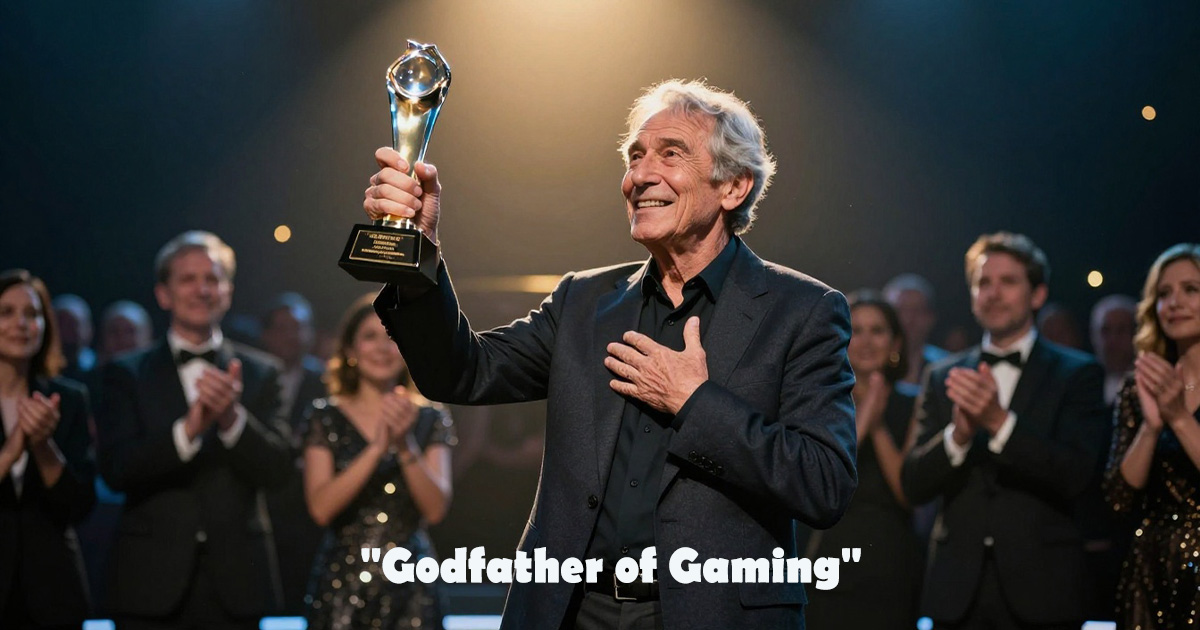
Toronto’s Canadian Game Awards last month handed out trophies for art direction and best indie and all the usual categories. But the instant the inaugural Game Changer award was announced, the room changed. Victor Lucas, 58, walked to the stage and hundreds of developers, streamers, and journalists rose to their feet—some openly crying. If you were a teenager in the late 90s and early 2000s, you probably knew him as the host of The Electric Playground, a guy who seemed unreasonably excited about a new PlayStation title. He still gets that excited.
The bus ride that built a legacy
Long before the green screens and convention hall interviews, Victor Lucas was a restless 20-something bussing tables in Vancouver. He’d tried acting and it didn’t take. One day in the early 1990s, riding a rattling bus through Mexico, he scribbled down 100 ideas. Most were nonsense. One stuck: a show called *The Electric Playground*. The title gestured toward something broader, though Lucas understood where the real focus needed to be: interactive entertainment at its core.
He had no broadcast experience and a demo reel of exactly zero seconds. When he pitched the concept to TV producers, he told them video games were about to become the next Pixar—not fuzzy 2D blobs but cinematic experiences that would rival Hollywood. One producer said she could see one episode, but couldn’t imagine a second. They produced 25 seasons. Thousands of episodes. There was, as it turned out, plenty to talk about.
The awards night
The Canadian Game Awards are still in their early years. The domestic industry now brings in over $5 billion a year, but the post-pandemic hangover is real, studios shrinking, projects canned, layoffs mounting. Carl-Edwin Michel, the awards’ executive producer, acknowledged the strain. Then Lucas appeared and the room’s energy shifted. After the ceremony, a line of developers and fans formed just to shake his hand. Many said they’d grown up watching The Electric Playground. A few told him they wouldn’t be working in games at all without it. As if that weren’t enough, Lucas also won Content Creator of the Year in a category full of creators half his age. He joked about being the grey-haired uncle of the group, his YouTube channel now re-airing classic episodes for a new audience.
Gaming on television before YouTube
There’s a persistent belief that video game coverage on television was always a niche, doomed idea—that it belonged in magazines. The truth is messier. When *The Electric Playground* launched in 1997, dial-up internet was patchy and most households didn’t have it. Magazines like *EGM* and *GamePro* could tell you about a game but they couldn’t show you how it moved or sounded. Lucas’s show aired weekly, later daily, on City TV and then the G4 network. It became one of the first mainstream windows into gaming for millions of households in Canada and the United States. He didn’t just read a review to a camera. He and his rotating co-hosts visited studios, lugged gear onto expo floors, and interviewed the whole team. Not just the creative directors—composers, programmers, QA testers. That focus on the full human crew was unusual then and it remains rare.
What made him a Game Changer
The Game Changer award recognizes generational impact. According to Michel, Lucas deserves credit for first directing attention toward the creative minds and studios driving the medium forward. The show launched names that now dominate the industry: Geoff Keighley of the massive Game Awards event; Jade Raymond, the producer behind Assassin’s Creed; even Evangeline Lilly contributed to the show before Lost made her famous. Former EP host Marissa Roberto, now with TSN, credits him as Canada’s gaming godfather. More than cameras or airtime, Lucas gave a generation permission to treat games as a craft worth a career.
‘Electric Playground’ creator Victor Lucas changed the game — by putting it on TV
The collaborative model that worked
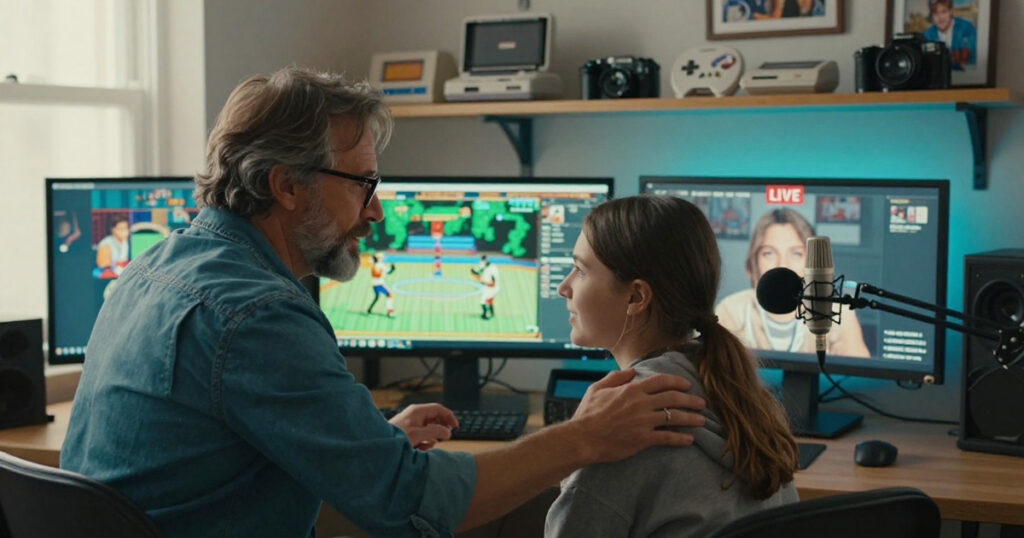
Lucas never treated his show as a solo act. His wife, Marcy Lavoie, was his operational partner from the start. She managed the business. He carried the vision. “My God, there would have been no EP without my wife,” he says. Their daughter Ruby, now 14, helps him produce YouTube segments. Lucas worries about what’s been lost since Rogers dropped the show from cable in 2015. The collaborative spirit of the old EP team, he says, has given way to solo streamers and reactionary content. “People are interesting,” he told an interviewer. “These products are cool … but it’s humans that are the story.”
That’s his real legacy: a stubborn insistence on building teams, spreading credit, and doing the actual work.
The industry’s current moment
Lucas’s honour at the awards didn’t just celebrate the past. It reminded a ballroom full of talented, anxious people that long-term impact comes from shining a light on others, not chasing clicks. Michel put it plainly: many developers in that room wouldn’t be there without Lucas first showing them what a career in games could look like.
The show is gone from cable, but its DNA lives on every time a new journalist visits a studio, interviews a sound designer, or tells the story of the people behind the code. Lucas is now on YouTube, sharing classic episodes and occasionally filming new content with his daughter. It’s quieter now.
He left the venue that night with two trophies, his wife beside him, and a photo line that never seemed to end. Then he went home. The broadcast deal is dead, but the work isn’t.