Canada Turns to Sweden for Surveillance Aircraft
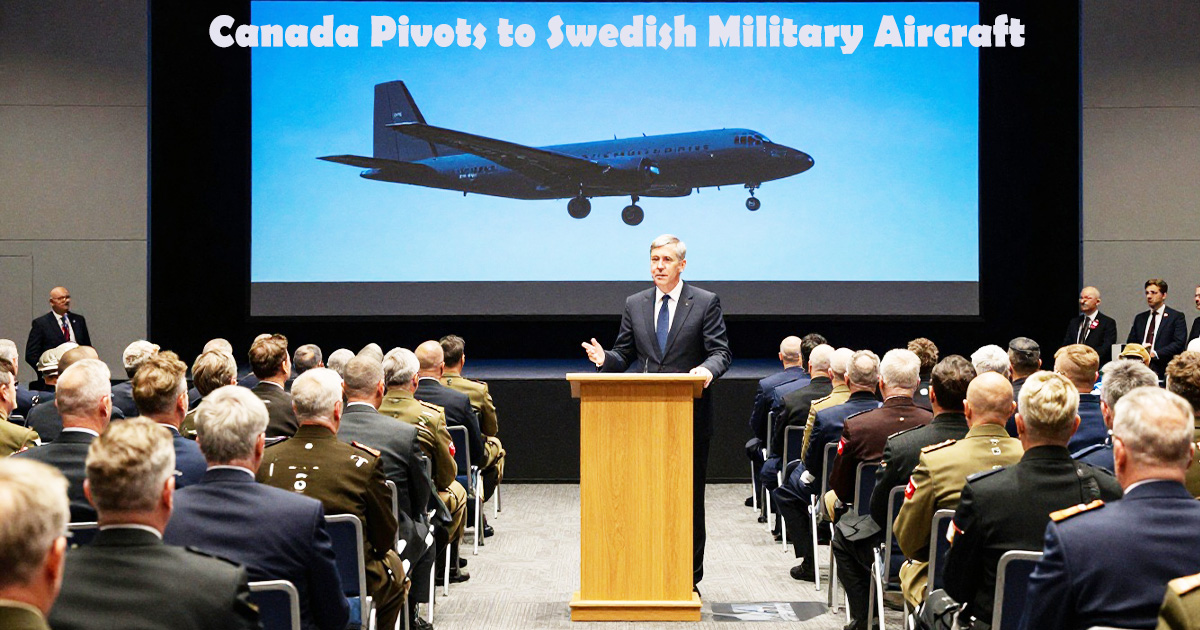
OTTAWA — Prime Minister Mark Carney didn’t mince words. Canada is negotiating to buy a fleet of Swedish-made Saab GlobalEye surveillance planes. It’s a deliberate pivot away from American suppliers, and Carney calls it the start of a new industrial strategy. At an Ottawa defence trade show, he framed the deal as a jobs-first approach. The government is under pressure from the Trump administration to spend more on defence, and it’s also weighing whether to cancel its planned purchase of 88 Lockheed Martin F-35 fighters. Carney insisted those decisions are separate. But they aren’t, really.
“This is an example of Canada’s defence and industrial strategy in action,” Carney told attendees. “It builds Canadian strategic economy, creates Canadian jobs and reinforces Canada’s position as a global leader.”
A plane with Canadian roots
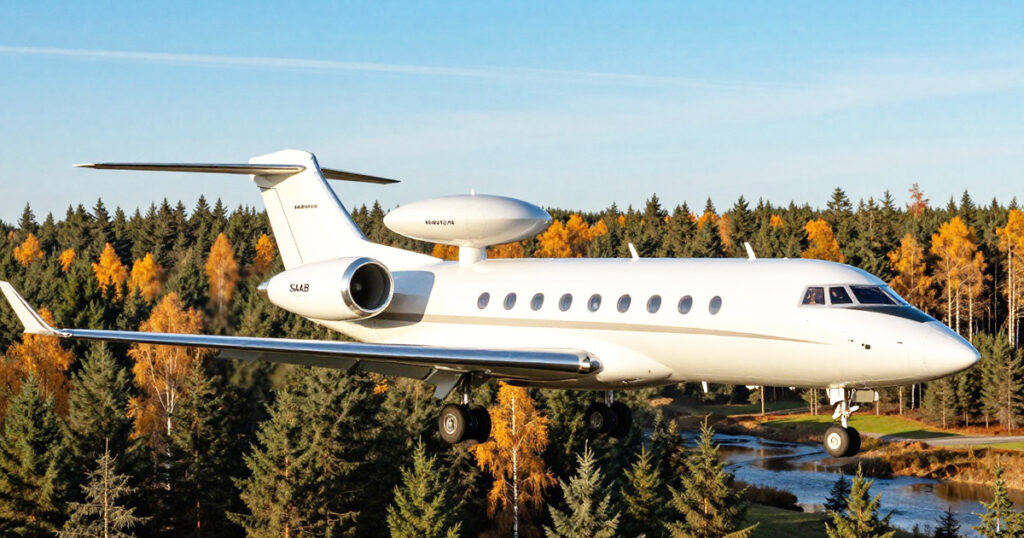
The GlobalEye starts life as a Bombardier Global 6500 business jet, built in Dorval, Quebec. Saab then outfits it with advanced radar and surveillance gear. The Swedish firm says about a third of the work will happen in Canada, and Carney claims 3,000 Canadian workers are part of the supply chain. He wouldn’t say how many planes Canada wants or what they’ll cost. But a December planning document from the Department of National Defence shows more than $5 billion set aside for the project. That’s a lot of money for a government that’s been slow to spend on the military.
It beat out at least two American alternatives, including one from Boeing. That makes Canada an early export customer for the Swedish system. And it stings for a U.S. defence industry that’s watched Canada send most of its procurement dollars south for years.
A deliberate shift from American sellers
Carney’s been blunt. At a Liberal event in Montreal last month, he said: “The days of our military sending 70 cents of every dollar to the United States are over.” It’s a line that plays well in Quebec, where Bombardier jobs are at stake. Frustration with Washington’s trade and security unpredictability has made this an easy sell inside the government. Industry Minister Mélanie Joly has pushed hard for domestic manufacturing in defence contracts. The GlobalEye, built on a Bombardier airframe, fits that agenda perfectly. It guarantees Canadian work.
Bypassing Boeing carries extra symbolism. The Trudeau government had a bitter trade fight with Boeing over Bombardier’s CSeries jet (now the Airbus A220). Quebec still remembers. So does the Liberal caucus.
The fighter jet question
The GlobalEye deal isn’t the only procurement headache. Canada is reviewing its plan to buy 88 F-35s from Lockheed Martin. It already has 16 of them. The rest of the order is in limbo. Saab, meanwhile, is aggressively pitching its Gripen fighter as an alternative. And it’s promising to build the planes in Canada. Carney says the two deals are separate. But Saab clearly sees an opening. The company has promised to assemble the Gripen in Canada and even suggested a Canadian line could build fighters for export. Joly has been clear: any fighter buy must bring Canadian jobs. “We need to make sure that Canadian workers benefit, that Canadian companies benefit, from our own defence spending,” she’s said.
Fraying relations with the U.S.
All this comes as defence relations with Washington fray. Last week, U.S. Under Secretary of Defense Elbridge Colby posted on social media that Washington had suspended the Permanent Joint Board on Defense, a binational body set up in 1940. Colby said Canada had “failed to make credible progress on its defence commitments.” Carney brushed it off. “I wouldn’t overplay the importance of this,” he said. “We have many aspects of very close defence cooperation with the United States.” He pointed out the board hasn’t met since 2024. That’s probably not the reassurance he thinks it is.
For years, U.S. officials fumed about Canada’s low defence spending. Canada only hit NATO’s 2% GDP target last year with a big budget boost. Carney now promises 3.5% by 2035. Trump’s team thinks that’s way too slow. The suspension of the board is a signal.
Next steps
Carney didn’t say when negotiations will wrap up or when the first plane might be delivered. Defence procurement in Canada is famously glacial. The competition to replace the CP-140 Aurora patrol planes took more than a decade—that’s the norm. The GlobalEye deal still needs Treasury Board approval and maybe a parliamentary committee review. In the end, the fighter decision will be the real test. And it’s months away, at best. The CP-140 replacement took a decade. No one expects GlobalEye to be any quicker.