Carney is right: Alberta’s separatist vote is a dangerous bluff
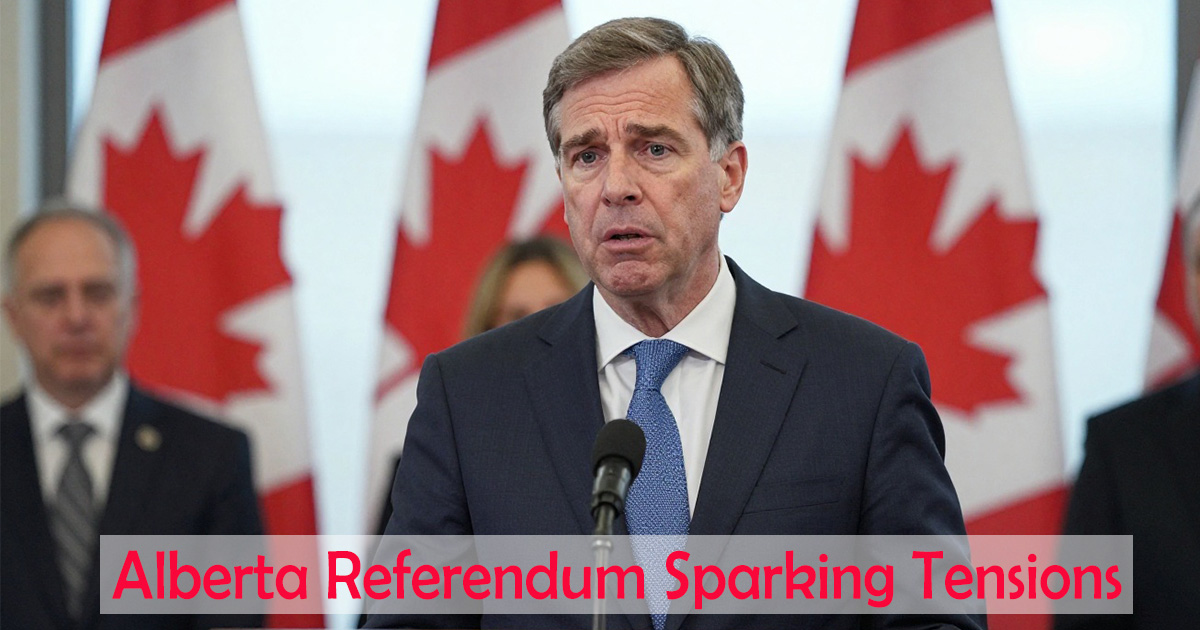
Mark Carney doesn’t mince words when he thinks something is a terrible idea. Standing in front of a room of unionized skilled trades workers in Calgary on Monday, the prime minister called the Alberta separation referendum a “dangerous bluff” — and then he spent the next half-hour explaining why he thinks the whole exercise is a spectacularly bad one. The vote is scheduled for Oct. 19. Albertans will be asked whether they want to stay in Canada or start the constitutional process needed for a future binding independence referendum. It’s non-binding, a glorified opinion poll. And nobody in the premier’s office campaigned on it
PM Carney calls separation push ‘a dangerous bluff’; Saskatchewan’s Moe urges Alberta to look ahead
Carney’s Brexit warning
Carney’s time as governor of the Bank of England left him with a front-row seat to the Brexit mess. He talks about it the way you’d talk about a car crash you saw in slow motion. “They’re still 10 years later trying to undo what people didn’t think they were voting for,” he told the workers, “but what they ended up having.” He warned that supporters of the Alberta vote are peddling the same flawed logic: vote to leave and you’ll have a stronger negotiating hand. “That is a very dangerous bluff,” Carney said. He’s right. Separation votes that start as leverage plays end up as disasters. Ask the British.
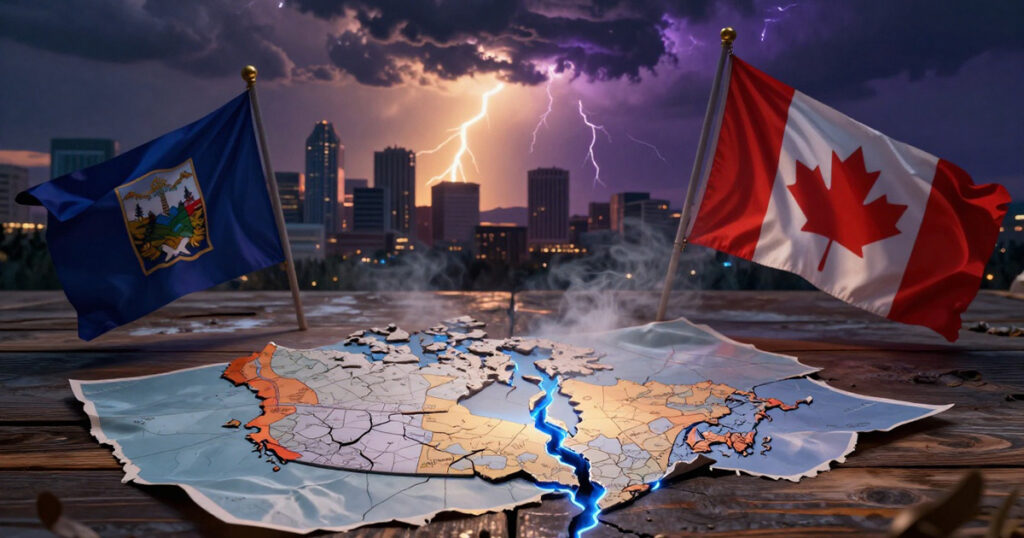
Poll numbers show little support for separation
A new Angus Reid Institute poll dropped Monday, and it shows 60 per cent of Albertans would vote to remain in Canada if the referendum were held today. If the question shifted to a binding independence vote down the line, 67 per cent said they’d say no. The numbers have barely budged in a year. Opposition is strongest in Calgary and Edmonton, and even in rural Alberta support for a break with Confederation hovers around one-third. The separatist movement, loud as it is, has a clear math problem.
Oil grievances and a risky cure
The anger that fuels the independence push is real and rooted in years of federal environmental policies that hammered the oil and gas sector. Former prime minister Justin Trudeau’s carbon tax and clean fuel standard became symbols of a government that many Albertans felt was hostile to their livelihood. Carney has since scrapped the consumer carbon levy, but that hasn’t magically erased the resentment. Premier Danielle Smith’s UCP, under pressure from its libertarian flank and a rowdy Alberta First movement, decided a referendum would let off some steam. The problem is that the proposed cure, an independent, landlocked nation with no pipelines to tidewater that it doesn’t already share, might be worse than the disease. Smith’s government hasn’t even sketched out what a divorce settlement would look like on currency, trade, or the national debt.
Terrible timing
If you wanted to pick the worst possible moment to float a separation vote, this would be it. The U.S. is already slapping punishing tariffs on Canadian steel, lumber, and energy, and the USMCA renegotiation looms. Carney told the Calgary crowd that a fractured federation would get “eaten alive” at the negotiating table. He didn’t use those exact words, but the message was clear: a united front isn’t optional. Even the whisper of a country coming apart at the seams weakens Canada’s hand when it needs strength most. Saskatchewan Premier Scott Moe, normally an ally on energy fights, reportedly urged Alberta to focus on shared economic interests instead of division. The separatist push is isolating Alberta among its neighbors.
After the vote
The referendum is non-binding, so a majority yes vote would only force Smith’s government to start the constitutional machinery for a future binding vote. Legal scholars overwhelmingly agree that a province can’t unilaterally secede under the 1998 Supreme Court reference on Quebec. You’d need a clear majority on a clear question, followed by good-faith negotiations with the other provinces and the federal government. The actual path would be a messy constitutional quagmire. And no one, not Smith, not her ministers, has offered a back-of-the-envelope plan for what an independent Alberta would use for money, passports, or border control. That conversation, it seems, is somebody else’s problem after Oct. 19.