Knicks 115, Cavaliers 104: A 22-point comeback that shouldn’t have happened
For 40 minutes, this was a blowout. Not the kind where one team is a little better—the kind where the other side can’t shoot, can’t get stops, can’t do much of anything. Cleveland led by 22 with under eight minutes left in the fourth quarter, 93-71, and Madison Square Garden was quiet in a way that felt permanent. Then Jalen Brunson went to work on James Harden, and the whole thing flipped in about ten minutes of game time.
Cleveland’s 40-minute demolition
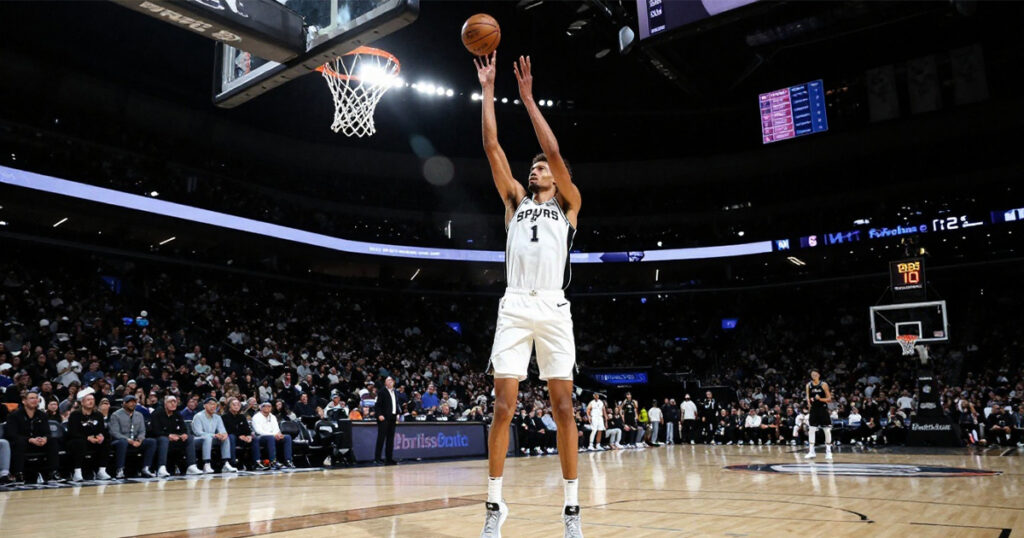
Kenny Atkinson’s game plan was working almost perfectly. The Cavaliers’ switching defense had the Knicks confused. New York shot 2-of-19 from three in the first half. They made six field goals in the entire third quarter. Six. Donovan Mitchell was hunting closeouts and scoring efficiently (29 points on 23 shots). Evan Mobley had a 15-point, 14-rebound double-double that included a bunch of second-chance points.
When Mitchell drilled a three with 7:52 left, the Knicks looked like a team that hadn’t played a game since May 10—because they hadn’t, after sweeping Philadelphia. Cleveland, fresh off a seven-game war with Detroit, seemed sharper. More together.
Karl-Anthony Towns had 13 and 13 but was mostly invisible. Harden’s playmaking was getting turned into transition buckets the other way. Everything was going right for the Cavs.
And then it wasn’t.
Brunson starts hunting Harden, and the game tilts
The pivot was simple. Jalen Brunson decided to attack James Harden on every possession. Harden’s lateral movement has been a problem for years, but in this game it was catastrophic. Brunson isolated him, drove past his left hip, and read whatever help came—or didn’t come. From the 4:30 mark of the fourth quarter through the end of overtime, Brunson scored or assisted on 23 of New York’s final 35 points. He finished with 38 points and six assists on 15-of-29 shooting.
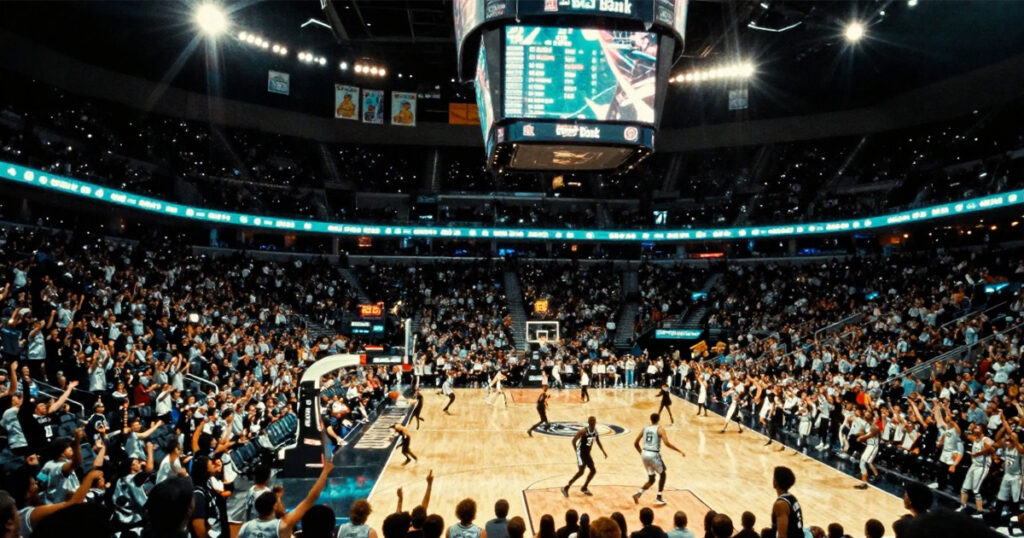
The run that shrank the lead from 93-71 to 94-89 wasn’t a flurry of desperation threes. It was Brunson scoring nine straight points, all on Harden, as the Cavaliers’ defense bent and then broke. There was a patience to it. “We just kept chipping away,” Brunson said later. “We’re not going to get it back in one possession.” He meant it. Possession by possession, they took the game back.
The Knicks closed regulation on a 44-11 run. Only one NBA team in the play-by-play era has rallied from a bigger fourth-quarter deficit in the playoffs—the 2012 Clippers, who were down 24 to Memphis. Win probability models gave the Knicks a fraction of a percent chance. The comeback was, statistically, one of the least likely playoff wins ever.
Overtime: Cavs collapse, Knicks cruise
If the fourth quarter was a slow strangulation, overtime was a sprint. The Knicks scored the first nine points: an OG Anunoby layup, a Brunson jumper, two Anunoby free throws, a Landry Shamet corner three. The Garden was delirious. Cleveland missed four of its first five shots in the extra period. Their legs were gone. The seven-game Detroit series had clearly exacted a toll, and now they were chasing a team that had just erased their entire lead in ten frantic minutes. It was over quickly.
The 44-11 closing stretch is the largest comeback in Knicks playoff history. And a loss this improbable raises hard questions for Atkinson. He didn’t call a timeout as the run started, and he defended that call afterward—but his players looked lost, and Harden offered no resistance. Harden’s final line: 15 points, 5-of-14 shooting, 1-of-8 from three, six turnovers versus only five made field goals. When your secondary creator becomes a defensive turnstile in a conference finals game, the coach has to find a fix. Atkinson will probably put Isaac Okoro on Brunson in late-game situations going forward. He might not have a choice.
What this means for Game 2 and beyond
The Eastern Conference finals now resume Thursday in New York with the Knicks up 1-0 and riding an eight-game postseason win streak. Cleveland has to regroup fast. The timeout decision, Harden’s defense, the fatigue after a grinding series—these are not problems that just go away.
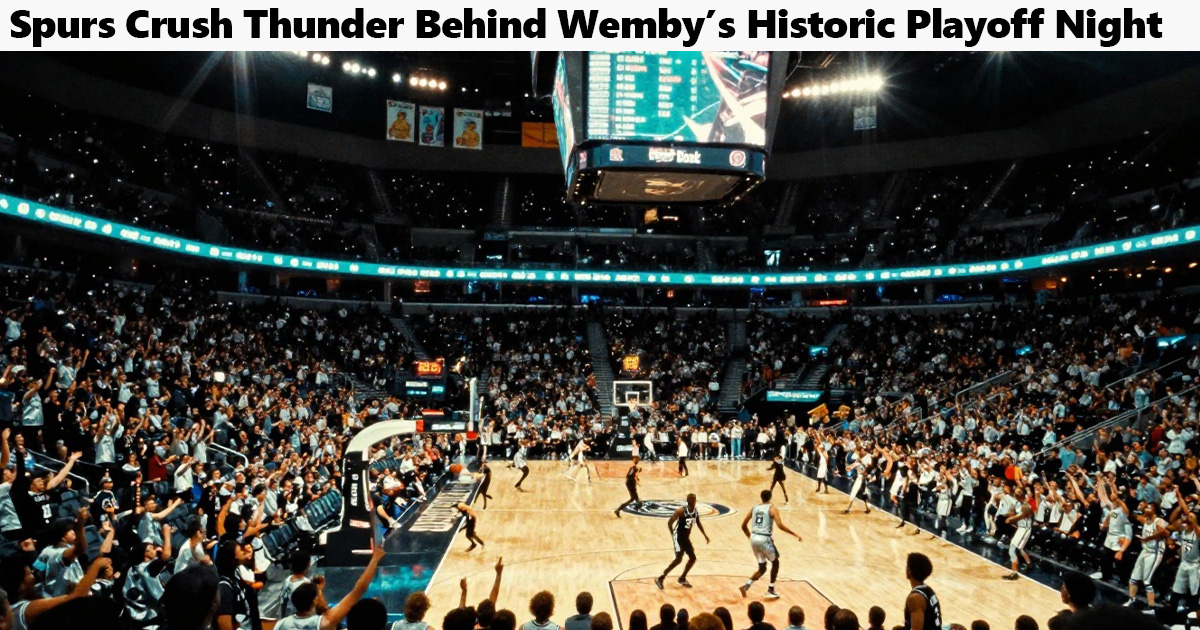
The West, by the way, delivered its own absurdity the night before: San Antonio beat Oklahoma City 122-115 in double overtime to steal home-court advantage from the defending champs. So for the first time in league history, both conference finals openers required overtime. The Knicks themselves had outscored Atlanta and Philadelphia by a combined 194 points across the first two rounds—the biggest margin ever through 10 playoff games. But this was different. This wasn’t a steamrolling. It was a survival.
The Knicks didn’t win because their system overwhelmed Cleveland. They won because one guy found the soft spot and refused to let the game die. Mitchell, afterward, was blunt: “That can’t happen. But it did. We play in two days.” He’s right, but there’s no guarantee it won’t happen again. And if Harden can’t stay on the floor in crunch time, the Cavs might be walking into a 0-2 hole that feels a lot like the end of their season.