
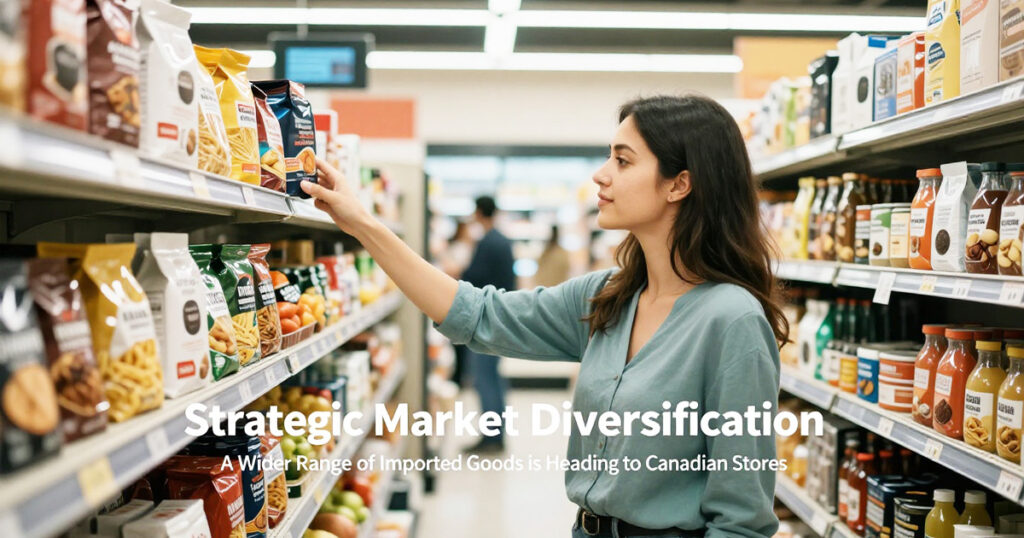
A wider range of imported goods is heading to Canadian stores
OTTAWA — The shelves will look different soon. Canadian shoppers are about to see a wider variety of imported electronics, produce, and household goods, the result of a string of fast-tracked trade deals that have been quietly moving through the system. It’s the visible side of a deliberate federal strategy to wean the country off its historic reliance on the United States for consumer imports and turn supply chains toward Asia, Europe, and Latin America. The pivot took years to get traction, but the acceleration in 2024 has been real.
How a deliberate policy shift is reshaping supply chains
The diplomatic machinery behind this is not new. What changed was the urgency after a decade of shocks: the NAFTA renegotiation chaos, pandemic border closures, and the growing sense that having most of your eggs in one basket is a national vulnerability. A senior official at Global Affairs Canada, who wasn’t authorized to speak publicly, put it bluntly: “Over‑dependence on a single market puts consumers at the mercy of decisions made in Washington.” The fix, they said, is methodical, resilient corridors, which meant finishing languishing trade agreements and then making sure importers actually know how to use them.
That’s in motion now. Canada wrapped up a new framework with ASEAN, expanded the CPTPP and CETA pacts, and is advancing talks with the Mercosur bloc (Brazil, Argentina, and others). It’s not textbook diversification theory, though the logic is the same one corporations use: spread your bets so no single supplier can break you. Ottawa is now applying that logic to an entire national import basket.
The first changes shoppers will notice
Some of it is already happening. Tariff cuts under CETA have put more Italian pasta and French wines on shelves, and German cleaning brands are showing up too. But the real change will be in categories that have seen nasty price spikes from logistics snarls: mid‑range laptops and phones, home networking gear, seasonal apparel. Michael Hartwell, a trade policy analyst at the Business Council of Canada, pointed to Vietnamese and Malaysian electronics, South Asian textiles, European specialty foods. “You’ll start seeing more affordable tech from Vietnam, out‑of‑season produce from Chile and Peru that doesn’t stop in Miami first, and a bigger selection of European home goods,” he said. And the shipping manifests already show the shift.
The numbers help explain why this matters. Right now roughly 64 per cent of Canada’s merchandise imports come from the United States, per Statistics Canada. Much of that is energy and heavy machinery, but a good chunk is also fresh fruit, appliances, and other household goods flowing along well‑worn north‑south lines. The new agreements cut tariffs on electronics from Japan and Australia, and open a door for manufacturing hubs in Thailand, Indonesia, and the Philippines. It’s not a revolution — more like a widening of the taps. But it’s significant all the same.
The messy reality of new supply chains
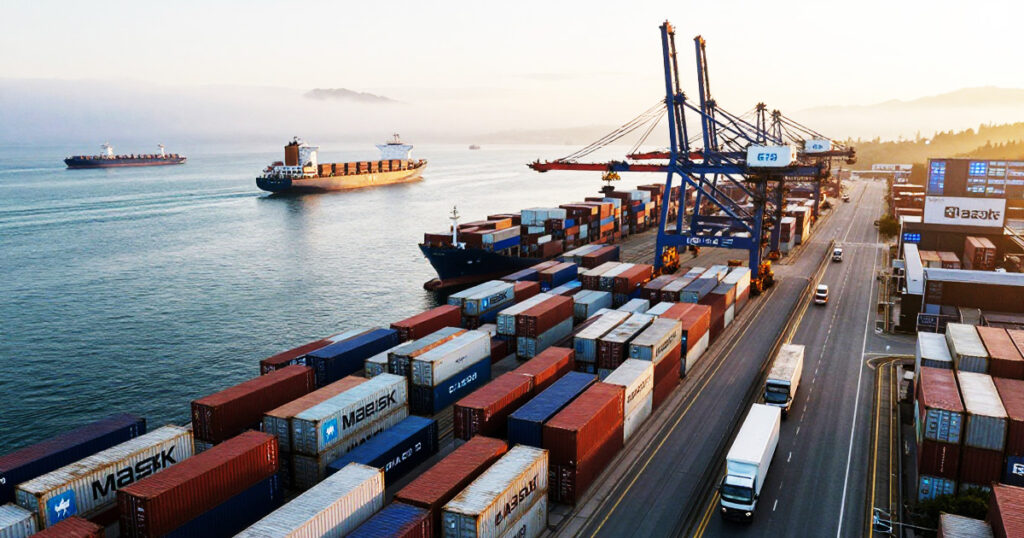
It would be a mistake to see this as frictionless. Shifting from a just‑in‑time U.S. supply chain to ocean‑freight routes from Southeast Asia means longer lead times, different food safety certifications, port congestion in Vancouver or Prince Rupert instead of Detroit, and a whole new set of logistics relationships that don’t get built overnight. Lise Tremblay, a supply chain director at a major grocery chain who asked not to name her employer, didn’t mince words: “Diversifying sounds excellent in a PowerPoint deck, but on the ground you’re dealing with port congestion, container shortages, and a completely different set of food safety certifications. We’re doing it, and the long‑term payoff is undeniable, but it’s a painstaking transition.”
Still, the incentives are there. A recent House of Commons trade committee report noted that over 80 per cent of importers and exporters now view diversification as a priority, up from 55 per cent just five years ago. That’s a staggering jump, and it’s pushing federal agencies to rejig customs clearance systems and financing products for firms sourcing from unfamiliar markets. It’s tedious work, and invisible to the public, but it’s the thing that makes the “Made in” labels change.
What it means for shoppers in the long run

The long‑term bet is on resilience. If drought hits California, a diversified import basket can pull from South American and European suppliers without empty shelves. If a labour dispute shuts a major U.S. port, Asian shipments still arrive via the West Coast. The trade agreements also cover services and digital commerce, not just physical stuff, so they’ll ripple through the economy for years. Talks with India are paused, not dead. A bilateral deal with the Philippines is a long‑term goal. The next concrete step is a virtual summit with ASEAN ministers in early 2025 to operationalize the procurement chapter.
For now, though, the only visible sign for most people will be a slow shift in the tiny text on the things they pull off the shelf — a pair of headphones from Ho Chi Minh City instead of Houston, say, or a bag of grapes from Chile that never passed through a U.S. warehouse. That’s the measure of whether all this diplomacy actually landed.