
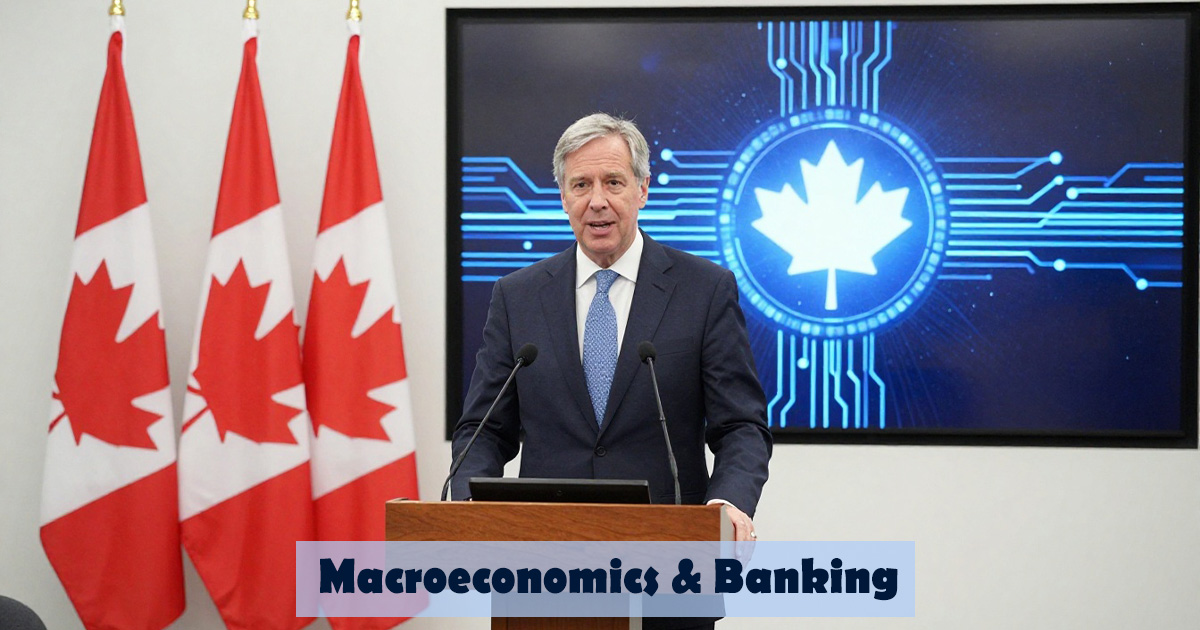
Ottawa’s AI charm offensive meets the banks’ rainy-day stockpiling
The federal government is feeling optimistic. Prime Minister Mark Carney’s Liberals just released a spring budget update full of clean-energy and housing cash. Next week, Finance Minister Chrystia Freeland will unveil a long-promised artificial intelligence strategy. She says Canada has the talent and the research. But ambition without capital goes nowhere. What’s missing is the domestic venture capital to keep startups from fleeing south. The timing is strange. Because a few blocks away, the biggest banks are telling a much darker tale.
Freeland’s AI push
Freeland’s office says the strategy will include new funding for research hubs and tax incentives for firms adopting machine-learning tools. It’s also supposed to address the chronic shortage of domestic venture capital. Industry groups have been asking for a more coordinated approach for years. The AI plan has been delayed multiple times. Now the government wants it to anchor a larger “innovation and sovereignty package” worth $4.6 billion over five years. The package was tucked into the spring update, but specifics on the venture-capital front remain thin.
Banks stockpile for trouble

While Ottawa looks ahead, the Big Six lenders just finished reporting quarterly results. Royal Bank, TD, Scotiabank, BMO, CIBC, and National all beat profit expectations. And each one is quietly building bigger cushions against bad debts. BMO was the standout, raising its dividend. Its CEO called the move a sign of confidence. But in the same breath, he warned that the economic outlook is murky. Scotiabank’s chief risk officer told investors that more borrowers are slipping into lower credit-rating categories. The bank bumped its provisions for credit losses by $280 million, a jump of nearly 20 per cent from the previous quarter. Royal and CIBC flagged rising stress in their credit card and unsecured lending portfolios. Mortgage arrears are creeping upward. Commercial real estate in Toronto and Vancouver is under pressure. None of this is a crisis. But the shift is unmistakable. And it all points in one direction.
Venture capital gap becomes a sovereignty issue
Enter the Business Development Bank of Canada. On Tuesday it released a report that should alarm anyone who cares about this country’s economic independence. The BDC found that foreign investors supply more than half of the capital flowing into Canadian tech startups. That money is vital, but the bank says it creates a dangerous dependency. As BDC’s chief economist Pierre Cléroux put it, when most of the money comes from abroad, decisions about jobs and intellectual property get made elsewhere. “That’s an economic sovereignty issue.” Canadian venture capital funds remain small. Risk-averse. The federal government has tried to fill the gap with programs like the Venture Capital Catalyst Initiative. The BDC says that’s not enough. It wants Ottawa to nudge the country’s giant pension plans to put more money into domestic startups. And that’s where the politics get sticky.
What comes next

The Bank of Canada’s next policy decision lands on June 4. Most forecasters expect the key rate to stay at 5 per cent. The pressure on borrowers and on bank loan books won’t let up through the summer. Meanwhile, Freeland will roll out the AI strategy next week, trying to shape a tech-forward campaign narrative ahead of the election due by October 2027. The contrast couldn’t be sharper. The government is selling a shiny digital future. The country’s financial backbone is quietly bracing for a rough patch. On Bay Street, the talk among analysts is about whether the Big Six can keep hiking dividends if losses keep creeping up. The answer probably won’t come in June. It’ll come when the first major corporate borrower misses a payment.