
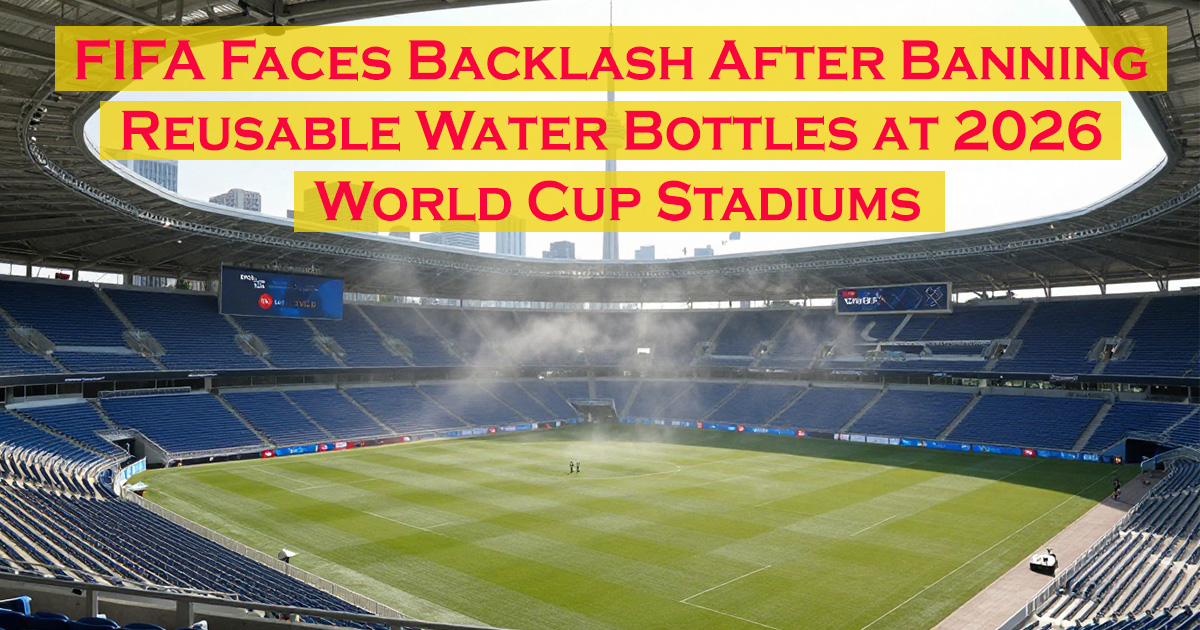
FIFA bans reusable water bottles at 2026 World Cup venues, raising health concerns in Canada
FIFA has abruptly barred fans from bringing reusable water bottles into stadiums for the 2026 World Cup. The reversal, announced Tuesday, scraps an earlier promise that empty clear plastic containers would be permitted. In Toronto and Vancouver, where summer matches will bake crowds under open skies, supporter groups are furious. They call it a health risk dressed up as security. A money grab, plain and simple.
Ronan Evain, who heads Football Supporters Europe, didn’t mince words. “It’s a real health risk,” he said. “In Europe we see people collapsing in the stands from heatstroke more and more often. It’s a very simple mathematics issue: the more you complicate the access to water, the more the risk of people getting serious heatstroke and dehydration.”
The tournament runs June 11 to July 19, peak summer across the three host nations. Canada’s matches will be played at BMO Field in Toronto — open-air and fully exposed — and BC Place in Vancouver, which has a retractable roof but will likely be set to open for the spectacle. In both cities, a July afternoon can feel like a steam bath. The humidex regularly hits the mid-30s, dangerous for anyone sitting still for 90 minutes without water. For many ticket holders, the thought of being unable to refill a personal bottle is alarming.
FIFA’s stated reasons
FIFA insists the prohibition is a security measure. A bottle thrown from the stands could hurt a player or official. “FIFA is committed to protecting the health and safety of all players, referees, fans, volunteers, and staff,” the organization said in a statement. It added that some World Cup stadiums already ban outside bottles, and this rule simply standardizes the policy.
That explanation crumbles under scrutiny. FIFA allowed reusable bottles last summer at the 2025 Club World Cup in the United States. And as recently as a month ago, the 2026 code explicitly permitted empty transparent bottles — a promise that came out of months of consultation with fan groups. Evain pointed to that inconsistency. “If they allowed it last year and originally for this tournament, then I find the security argument a bit hard to believe,” he said. “It shows water is unfortunately still seen as a commodity, but it’s not, it’s a matter of health.”
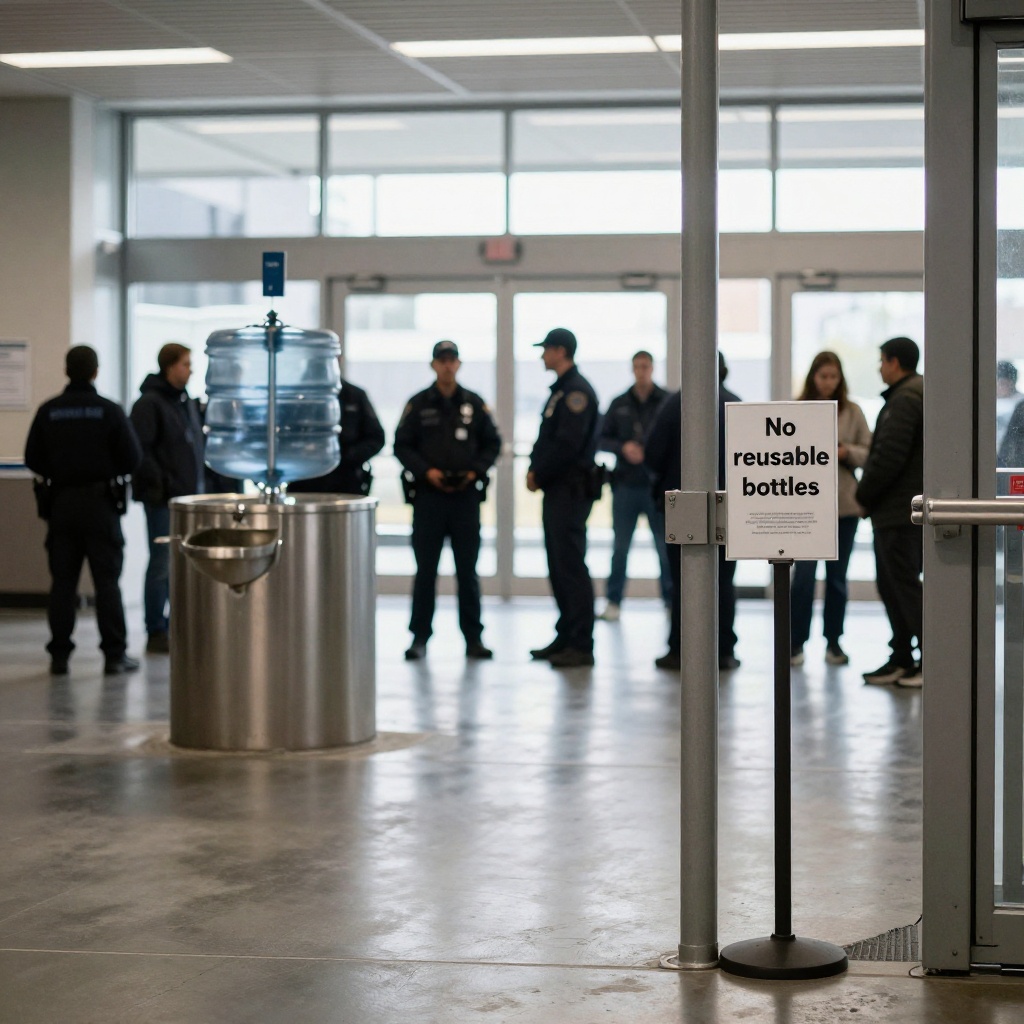
And the money trail doesn’t end there. Coca-Cola, a long-time FIFA sponsor, holds exclusive rights to sell water and other drinks inside the stadiums. Its Dasani brand will be the only bottled water available for purchase. No other brands, and now no personal containers. Prices haven’t been published, but FIFA says they’ll stay “consistent with other events held at each stadium.” At Canadian venues, a single bottle of water typically costs between $4 and $6. The English supporters’ group Free Lions called it what many are thinking: “For most supporters, the conclusion is instant: FIFA is picking their pockets again.” On social media, they added: “What next? Sun cream banned and fans forced to buy it in stadiums?”
Canadian host cities brace for heat
Health advocates in Canada are alarmed. Toronto’s BMO Field, expanded to seat roughly 45,000, has an east stand that takes direct afternoon sun. Vancouver’s BC Place, if the roof is open, offers little shade. The 2021 heat dome in British Columbia killed an estimated 619 people, according to the provincial coroner’s service. That disaster reshaped public thinking about heat and water. “FIFA’s decision feels particularly tone-deaf in the Canadian context,” said Dr. Melissa Lem, a Vancouver family physician and president of the Canadian Association of Physicians for the Environment, in a telephone interview with Canex Media. “We’ve seen what happens when people are exposed to high temperatures without adequate access to water. A stadium full of fans on a hot afternoon is a vulnerable setting, and we should be doing everything possible to keep people hydrated, not erecting barriers.”
Local public health units in Toronto and Vancouver have not issued formal statements on the policy, but both regions have long advised residents to carry water during heat events. The federal government, which helped fund tournament infrastructure but has no say over stadium operations, declined to comment through a spokesperson.
Weather forecasts add to the unease. Nine of the tournament’s 104 matches are projected to surpass a Wet Bulb Globe Temperature of 26°C, according to World Weather Attribution. That’s the threshold where the body struggles to cool itself, making exertion risky. None of the Canadian matches are currently expected to cross that line — Miami and other southern U.S. cities bear the brunt — but Toronto’s humid continental climate can still push humidex readings above 35°C, a level medical experts consider dangerous for prolonged exposure.
What FIFA is promising
FIFA says it will set up hydration stations, misting stations and cooling tents outside the stadiums. A mandatory three-minute drinks break will be slotted into each half regardless of the temperature. That helps players, who have trainers and unlimited fluids. Fans stuck in sun-baked seats get no such relief.
The bigger question is water inside the gates. FIFA’s statement said nothing about how a fan can get free water without a refillable bottle. Canadian stadiums typically have a few water fountains, but filling a bottle is standard practice. At BMO Field during regular Toronto FC matches, supporters are allowed to bring an empty plastic bottle through security and use the fountains on the concourse. For World Cup matches, that accommodation vanishes.
Evain voiced a widespread frustration. “We don’t know how expensive a bottle of water will be inside the stadium because no prices have been published,” he said. “Fifa explained previously that part of their response to the heat risk was the water bottles. So what does it mean now to take it away, and what mitigation measures are they taking? People will look for alternatives or just not drink water when they should.”
Supporters and health officials push back
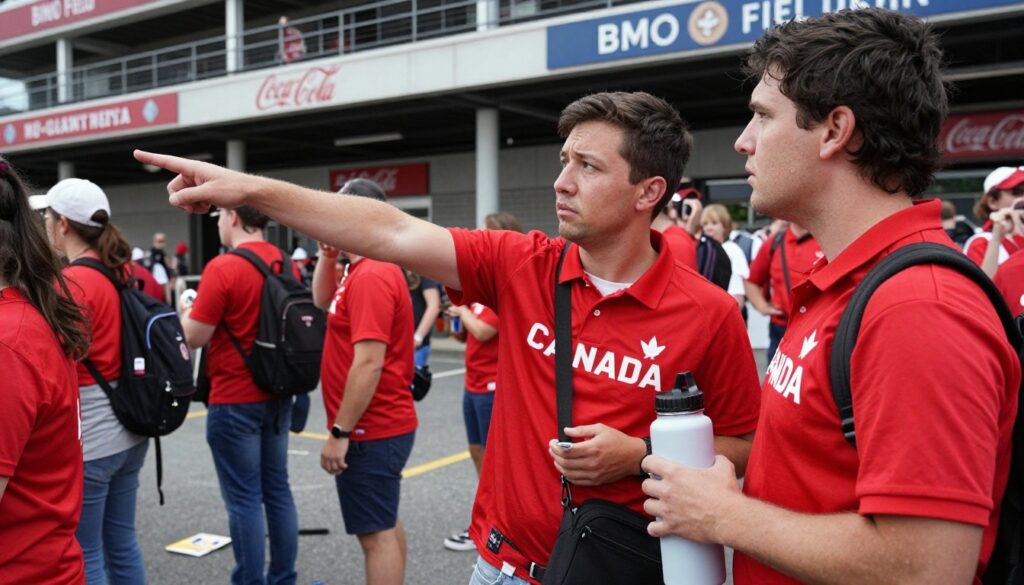
Football Supporters Europe is organizing what it describes as “the biggest complaint Fifa has ever received.” In Canada, the Voyageurs, the national supporters’ club, shared concerns on social media. One Toronto-based organizer, speaking on condition of anonymity, said members are worried about children and elderly relatives at the games. “A day out at the World Cup shouldn’t come with a risk of dehydration that’s made worse by tournament policy.”
Public health specialists are urging FIFA to restore the reusable-bottle exception or, at the very least, guarantee free, easily accessible potable water inside all stadiums. Dr. Lem argued that the concern about projectiles is real but must be weighed against the certainty of heat injury. “There are other ways to manage both,” she said. Mesh nets. Designated bottle types. Simply allowing empties at the gate and checking them. “All of these are practical solutions.”
Environment and Climate Change Canada hasn’t issued heat warnings for the tournament’s opening days, but its seasonal outlook points to above-average temperatures for southern Ontario and the B.C. south coast through July. Organizers have installed additional water refill stations outside the stadium perimeter, though those are useless if fans can’t bring a container past security.
One week to kickoff
The opening match in Guadalajara is just days away, and FIFA shows no sign of budging. The new stadium code is in force. Toronto’s event organizers said through a spokesperson they will “follow FIFA’s safety and security regulations” and are confident in the health and safety measures. Vancouver’s city government did not respond to requests for comment.
Canada’s men open their tournament at BMO Field on June 13. That afternoon will be the first real test of whether FIFA’s water policy chokes fans in a Canadian summer.