
Rabies From Bat Bite: A Silent Danger Every Family Should Know
Rabies from bat bite is one of those rare medical emergencies that many people never think about until tragedy strikes. Unfortunately, an 11-year-old boy from northern Ontario lost his life after unknowingly being exposed to rabies while sleeping at a family cottage. His heartbreaking story has become a powerful reminder that even a tiny bat bite—or one that leaves no visible mark—can have devastating consequences.
Most people assume they would notice a bite or scratch from a bat. However, experts say that bat teeth are incredibly small and can leave wounds that are nearly impossible to see. Once rabies symptoms begin, the disease is almost always fatal. The good news is that timely treatment after exposure is highly effective and can prevent infection completely.
Understanding the risks could save your life or the life of someone you love.
The Tragic Story That Shocked Canada
The incident happened during what should have been a peaceful family vacation at a cottage.
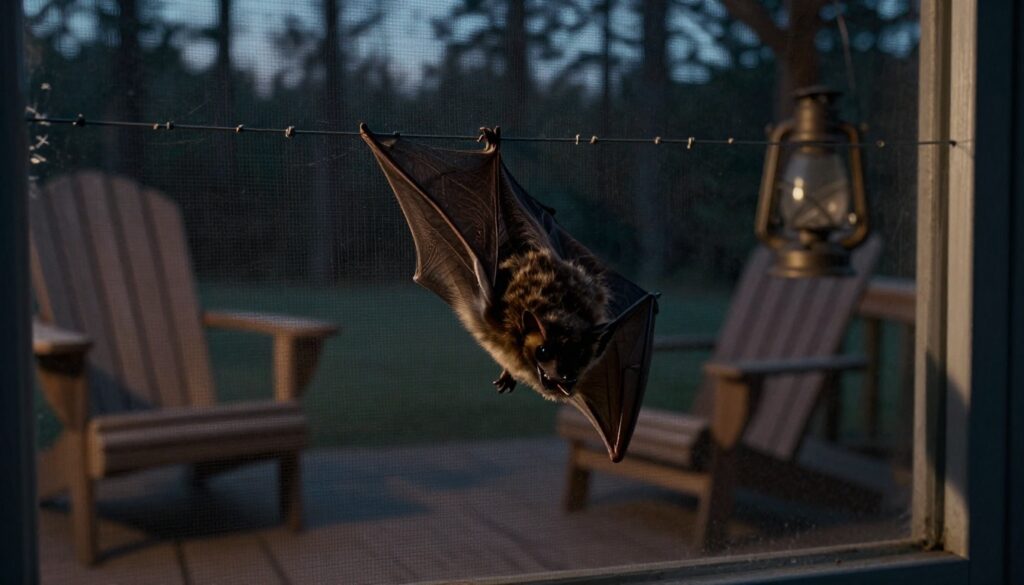
One night, the young boy woke up with a bat touching his face. He instinctively pushed it away, and his father safely removed the bat from the house before releasing it outdoors.
Because there was no visible bite, scratch, or bleeding, the family believed there was nothing to worry about. Like many people, they assumed a bite would be obvious if one had occurred.
For nearly three weeks, the child appeared perfectly healthy.
Then everything changed.
He developed numbness and swelling on one side of his face. At first, doctors suspected more common conditions such as Bell’s palsy or a dental infection. Within a short period, his condition rapidly worsened. He developed fever, difficulty swallowing, confusion, and severe neurological symptoms.
Laboratory testing eventually confirmed rabies caused by a bat-associated virus variant.
Despite intensive medical treatment, the disease had already reached his brain, and he sadly passed away.
His family later shared their story publicly so others would understand how easily this type of tragedy can happen.
Why Rabies From Bat Bite Is So Dangerous
Rabies is caused by a virus that attacks the central nervous system.
Unlike many infections, it often remains silent for days or even weeks before symptoms appear. During this incubation period, the virus slowly travels through nerves toward the brain.
That delay creates both danger and opportunity.
The danger is that people may feel completely normal while the virus spreads unnoticed.
The opportunity is that doctors can stop the infection before symptoms begin through post-exposure treatment.
Once symptoms develop, survival is extremely rare.
This is why every possible exposure should be taken seriously, even if the risk appears small.
Can You Get Rabies Without Seeing a Bite?
The simple answer is yes.
Many people imagine animal bites leaving deep wounds or obvious puncture marks. Bat bites often do not.
Bat teeth are extremely fine, and some bites may cause little or no pain. In certain cases, the wound heals quickly or is so tiny that it cannot be seen with the naked eye.
Children are especially vulnerable because they may not realize they have been bitten or may be unable to describe what happened accurately.
Health experts recommend seeking medical advice immediately if:
- You wake up and find a bat in your room.
- A bat lands on your body or touches your skin.
- A bat is found near a sleeping child, an elderly person, or someone who cannot communicate clearly.
- You have direct contact with a bat, even if no injury is visible.
These situations deserve prompt medical evaluation because preventing rabies is far easier than treating it after symptoms appear.

Early Symptoms You Should Never Ignore
The first signs of rabies can easily be mistaken for many other illnesses.
Common early symptoms include:
- Fever
- Headache
- Fatigue
- Tingling near the exposure site
- Facial numbness
- Muscle weakness
As the virus reaches the brain, symptoms become much more severe.
These may include:
- Anxiety
- Hallucinations
- Difficulty swallowing
- Muscle spasms
- Confusion
- Paralysis
- Fear of water
- Breathing problems
At this stage, treatment options become extremely limited.
That is why doctors emphasize prevention rather than attempting to cure advanced rabies.
Why Immediate Medical Care Matters
One of the most important lessons from this heartbreaking case is that waiting for symptoms is the biggest mistake someone can make.
Doctors use a treatment known as post-exposure prophylaxis (PEP) after a possible rabies exposure.
This treatment typically includes:
- Thorough wound cleaning
- Rabies immune globulin when appropriate
- A series of rabies vaccines over several days
When administered before symptoms begin, this treatment is almost 100% effective at preventing the disease.
Even if you’re unsure whether a bite occurred, it’s always safer to let a healthcare professional assess the situation than to assume there is no risk.
Common Myths About Rabies From Bat Bite
Misunderstandings about bats and rabies often prevent people from seeking timely medical care. Knowing the facts can help protect you and your family.
Myth 1: A Bat Must Look Sick to Carry Rabies
Many people believe a rabid bat will behave aggressively or appear obviously ill. In reality, an infected bat may look completely normal. It can still fly, cling to walls, and behave naturally while carrying the virus.
Myth 2: No Bite Means No Risk
This is one of the most dangerous myths. Bat bites can be so small that they leave no visible mark. If a bat has direct contact with your skin or you wake up with one in your room, medical evaluation is recommended.
Myth 3: Rabies Is Common
Human rabies cases are extremely rare in Canada and many other developed countries. However, the disease remains one of the deadliest infections once symptoms begin. Its rarity should never lead to complacency.
Myth 4: You Can Wait for Symptoms
Waiting is never the right choice. Once rabies symptoms appear, the infection is almost always fatal. Prevention before symptoms develop is the key to survival.
How to Protect Yourself and Your Family
Preventing rabies exposure doesn’t require complicated steps. A few simple precautions can make a significant difference.
Avoid Direct Contact With Bats
Never touch a bat with bare hands, even if it appears injured or unable to fly. Contact local animal control or public health authorities if you find one inside your home.
Bat-Proof Your Home
Inspect your home, cottage, or cabin for small openings where bats could enter. Seal cracks around roofs, chimneys, vents, and attic spaces to reduce the chance of indoor encounters.
Teach Children About Wildlife Safety
Children are naturally curious. Explain that they should never touch bats or other wild animals and should immediately tell an adult if they find one.
Seek Medical Advice Immediately
If a bat touches you, flies into your room while you’re sleeping, or has contact with a child or someone unable to describe what happened, don’t wait. Visit the nearest emergency department or contact your local public health office for guidance.
Capture the Bat Safely If Possible
If it can be done safely, contain the bat without touching it directly so it can be tested. Avoid releasing it before speaking with health authorities, as testing may determine whether preventive treatment is necessary.
Key Takeaways
The heartbreaking loss of the Ontario boy serves as a powerful reminder that rabies prevention depends on awareness and quick action.
Remember these essential points:
- Bat bites may leave no visible mark.
- Rabies symptoms often appear weeks after exposure.
- Once symptoms begin, the disease is almost always fatal.
- Prompt post-exposure treatment can prevent infection.
- Any direct contact with a bat should be taken seriously.
Knowing these facts could help prevent another tragedy.