
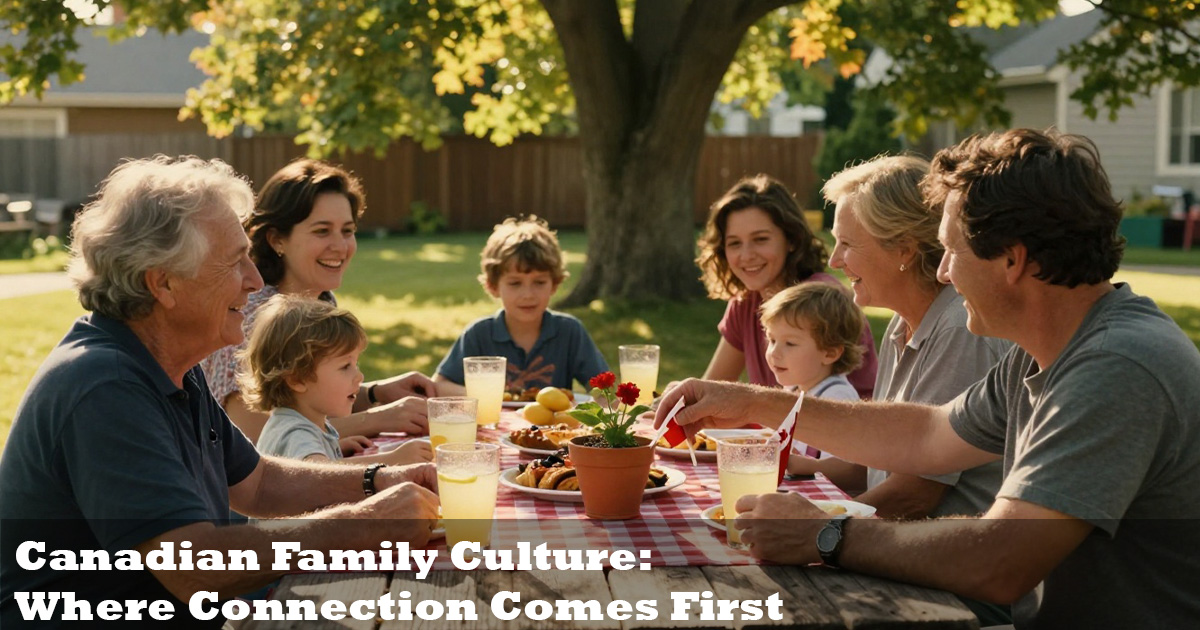
Canadian family culture is evolving in ways that feel both emotional and deeply human. It’s no longer just about traditional households or strict definitions of who counts as family. Today, it’s about connection, trust, and the people who show up for you—no matter how they’re related.
Across Canada, people are reshaping what belonging looks like. Friends are becoming family. Communities are becoming support systems. And cultural diversity is not just accepted—it’s embraced as part of everyday life.
In simple terms, Canadian family culture is becoming more inclusive, more flexible, and more emotionally driven than ever before. Let’s explore how this transformation is unfolding and why it matters.
The New Meaning of Family in Canada
One of the most powerful changes in Canadian family culture is the expanding definition of family itself.
Today, family is no longer limited to blood relations. Instead, it includes:
- Close friends who feel like siblings
- Neighbors who provide daily support
- Mentors and caregivers
- Chosen communities built on trust
This shift reflects real life. People move cities, change jobs, and build new social circles. Over time, emotional bonds become just as strong—sometimes stronger—than biological ties.
In modern Canada, family is less about structure and more about connection.
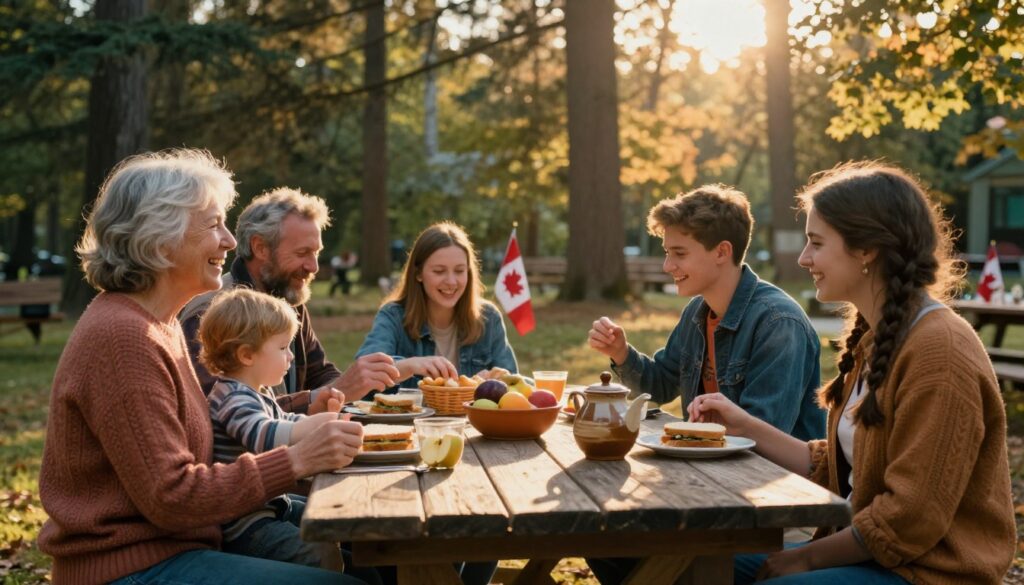
Why Canadian Family Culture Puts Relationships First
A defining feature of Canadian family culture is the growing belief that relationships matter more than career status or professional identity.
Many Canadians are choosing balance over constant work pressure. Instead of measuring success only through income or job titles, people are focusing on:
- Quality time with loved ones
- Mental and emotional well-being
- Flexible lifestyles
- Strong personal relationships
This shift is subtle but powerful. It shows that emotional stability is becoming a priority in daily life. Work is still important, but it no longer defines who people are.
In many homes, dinner conversations, shared experiences, and emotional support matter more than professional achievements.
Cultural Diversity as a Core Value
Another essential part of Canadian family culture is cultural openness.
Canada is widely known for its diversity, but what makes it unique today is how personal that diversity has become. It’s not just a national policy—it’s a lived experience.
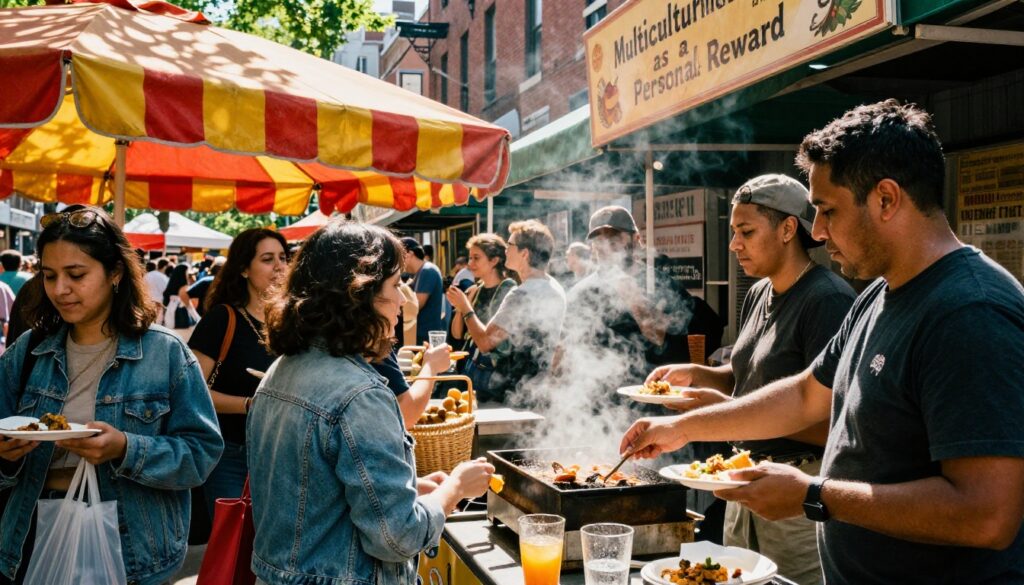
People regularly interact with different languages, traditions, and cultural practices in:
- Schools
- Workplaces
- Neighborhoods
- Social gatherings
Instead of feeling divided, many Canadians see cultural differences as enriching. Food, festivals, and traditions from around the world are now part of everyday Canadian life.
This openness strengthens relationships and helps create a sense of shared identity.
Generational Views on Family and Belonging
One interesting aspect of Canadian family culture is how different generations see it differently—but still agree on key values.
Younger Canadians often grow up in highly diverse environments. For them, multicultural friendships and blended identities are normal.
Older generations, however, also show surprising openness. Many believe that family is defined by emotional support rather than biology alone.
This creates a rare balance:
- Youth bring openness and flexibility
- Older generations bring stability and tradition
Instead of clashing, these perspectives often complement each other, shaping a more unified cultural identity.
Immigrants and the Redefinition of Family Life
Immigrants play a major role in shaping Canadian family culture.
Newcomers often arrive with strong values around community, respect, and shared responsibility. As they settle, they build networks that blend cultural heritage with Canadian social norms.
This creates a powerful exchange:
- Canada offers opportunity and safety
- Immigrants bring cultural richness and resilience
Over time, this leads to stronger community bonds and more inclusive definitions of family.
Many immigrant families also extend the idea of family beyond home, creating networks of mutual support that benefit entire communities.
Regional Differences in Canadian Family Culture
While Canadian family culture has shared national values, it also varies across regions.
In urban areas, families are often more diverse and socially connected across cultures. People are more likely to have chosen families made up of friends and community members.
In some rural areas, traditional family structures may still play a stronger role, with tighter local communities and long-standing relationships.
Different regions also show different priorities:
- Some emphasize career growth and financial success
- Others prioritize belonging and community support
- Some balance both equally
These differences don’t weaken Canadian identity—they make it richer and more layered.
The Future of Canadian Family Culture
Looking ahead, Canadian family culture will likely continue evolving toward even more flexibility and inclusivity.
We may see:
- More blended and chosen families
- Increased cultural mixing in daily life
- Greater focus on emotional health
- Stronger community-based living
As society changes, the idea of family will continue shifting from something fixed to something deeply personal.
What won’t change is the core value underneath it all: connection.
At its heart, Canadian family culture is about people choosing connection over definition. It’s about relationships built on care, trust, and shared experiences rather than strict biological ties.
Today’s Canada is not just multicultural—it is emotionally interconnected. Families are becoming broader, communities are becoming closer, and cultural openness is becoming a natural way of life.

In the end, Canadian family culture shows us that family is not just where you come from—it’s who stands with you, grows with you, and stays with you through life.