Canadian Wildfire Smoke Is Turning Into a Cross-Border Crisis
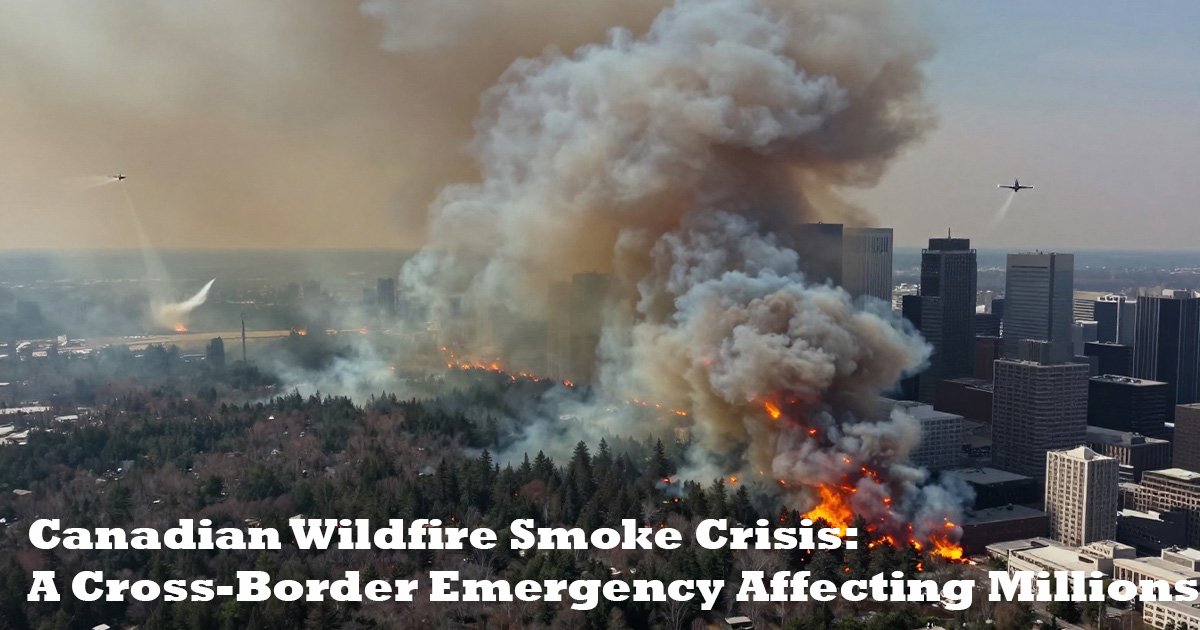
Canadian wildfire smoke has once again become a major concern across North America. What began as hundreds of fires burning in Canada’s forests has quickly transformed into a public health issue, an environmental warning, and now a political dispute between Canada and the United States.
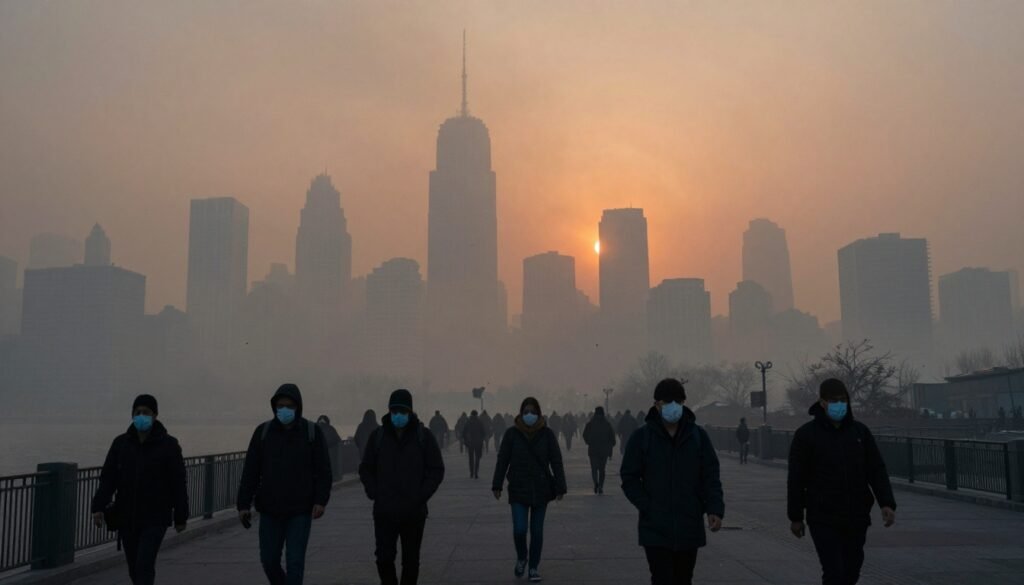
Millions of people across parts of Canada and the US have experienced hazy skies, unpleasant odors, and unhealthy air conditions. Cities near the Great Lakes and northern US states have seen air quality alerts as smoke traveled hundreds of miles from Canadian forests.
For many residents, the experience has felt unusual and alarming. The air looks different. Breathing outdoors feels harder. Daily routines have changed.
But behind the headlines is a complicated reality. Wildfire smoke does not follow national borders. Weather patterns, wind directions, and atmospheric conditions determine where smoke travels.
As political leaders debate responsibility, scientists and firefighters continue dealing with the immediate challenge: managing a wildfire season that is becoming longer and more unpredictable.
What Is Happening With Canadian Wildfire Smoke?
The latest wave of Canadian wildfire smoke comes from a significant number of active fires across Canada, particularly in regions where dry conditions and high temperatures have created dangerous wildfire conditions.
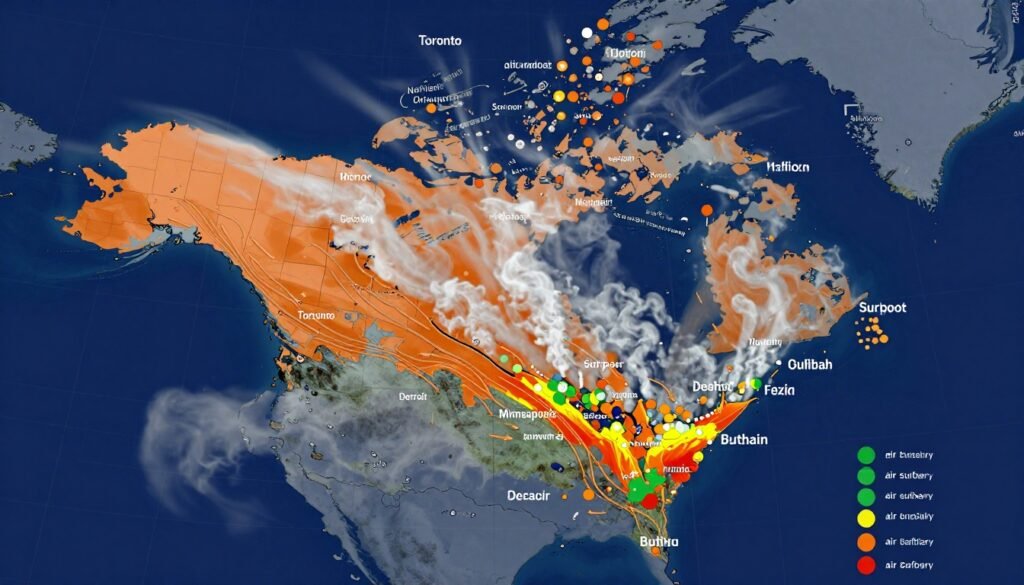
Smoke from these fires has moved south into the United States, affecting communities far away from the original fire locations. Residents in states including Michigan, Minnesota, Wisconsin, and parts of the Northeast have reported reduced visibility and worsening air quality.
Detroit and other cities near the Canadian border have experienced some of the most noticeable impacts because of their geographic location.
The situation has also attracted political attention. Several US Republican lawmakers have criticized Canada’s wildfire management policies, arguing that stronger forest management could reduce smoke impacts on American communities.
Their statements have increased tensions between the two countries at a time when both nations are already dealing with growing concerns about extreme weather.
Why Canadian Wildfire Smoke Has Become a Political Issue
A Debate Over Responsibility
The political argument surrounding Canadian wildfire smoke focuses on a simple question: Who is responsible when smoke from one country affects people in another?
Some US politicians have argued that Canada needs to improve forest management practices. They say better prevention strategies could reduce the severity of wildfires and protect Americans from dangerous air pollution.
However, wildfire experts explain that the causes are much more complicated.
Large wildfires are influenced by many factors, including:
- Extreme heat
- Long periods of drought
- Dry vegetation
- Lightning strikes
- Changing climate patterns
Many major fires are started naturally by lightning, especially in remote areas where human access is limited.
Forest management can help reduce certain risks, but experts say it cannot completely prevent large wildfire events.
The Challenge of Political Messaging
Wildfire smoke has become an easy political issue because the effects are highly visible. A smoky skyline creates immediate concern, and public frustration grows quickly when people struggle with outdoor activities, travel, or health problems.
However, environmental events rarely have one simple cause.
The same weather systems that carry Canadian wildfire smoke into the United States can also move smoke from US wildfires into Canada.
Air pollution does not recognize political boundaries.
What Is Causing the Latest Wildfire Crisis?
Hotter Temperatures and Dry Conditions
One of the biggest factors behind the current wildfire situation is a combination of heat and dryness.
Many northern regions of Canada experienced conditions that made forests extremely vulnerable to fire. When vegetation becomes dry, even a small ignition source can lead to a rapidly spreading wildfire.
Climate researchers have warned that warmer temperatures can increase evaporation, dry forests faster, and extend wildfire seasons.
Lightning and Natural Ignition Sources
A common misconception is that every major wildfire is caused by human activity.
In reality, lightning is a major cause of many fires in Canada, especially in remote forest regions.
These areas can be difficult to access, making immediate firefighting responses more challenging.
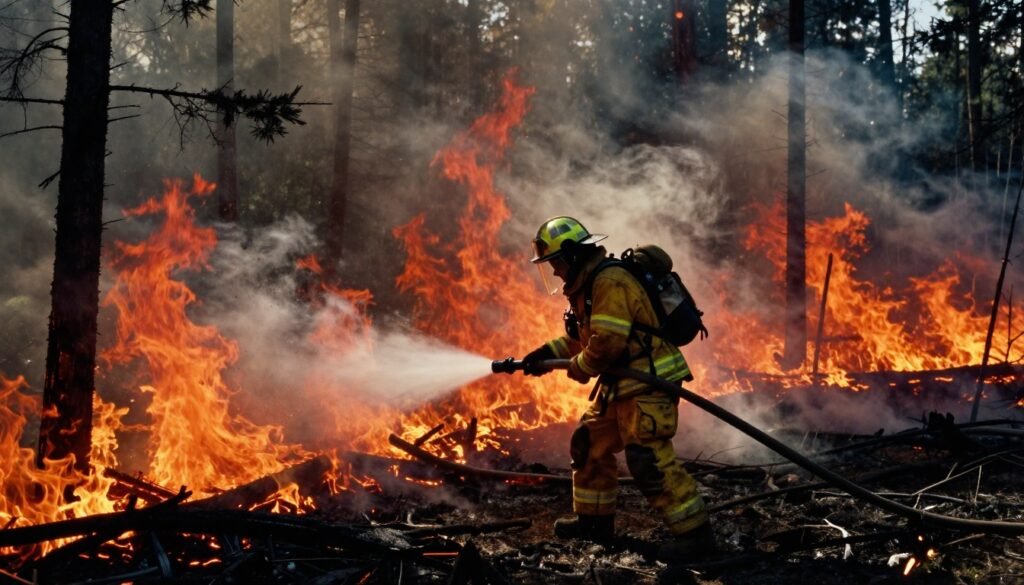
Fire crews often face enormous distances, rough terrain, and unpredictable weather conditions.
How Canadian Wildfire Smoke Is Affecting Health
The biggest concern surrounding Canadian wildfire smoke is not only the visibility problem. It is also the impact on human health.
Wildfire smoke contains tiny particles known as fine particulate matter. These particles can enter the lungs and may affect people differently depending on their health conditions.
People most vulnerable to poor air quality include:
- Children
- Older adults
- People with asthma
- People with heart or lung conditions
Common effects of wildfire smoke exposure may include:
- Eye irritation
- Coughing
- Throat discomfort
- Breathing difficulties
- Increased asthma symptoms
Health officials often recommend limiting outdoor activity during severe air quality events and using indoor air filtration when possible.
The Science Behind Smoke Crossing Borders
Why Smoke Travels Hundreds of Miles
The movement of Canadian wildfire smoke is controlled by atmospheric conditions.
Strong winds can transport smoke across entire regions within days. High-pressure systems can trap smoke near the ground, making air quality problems worse.
A wildfire thousands of miles away can therefore affect people who never see the flames.
This is why scientists often describe wildfire smoke as a regional or continental issue rather than a local problem.
Weather Patterns Decide Where Smoke Goes
The path of smoke depends on:
- Wind speed
- Wind direction
- Temperature patterns
- Pressure systems
- Fire intensity
A shift in weather can quickly improve air quality in one location while sending smoke toward another area.
Canada and the US Have a Long History of Fire Cooperation
Despite the current political disagreement, Canada and the United States have worked together on wildfire response for decades.
Firefighters, aircraft, and emergency resources often cross the border when major disasters occur.
This cooperation has helped both countries during difficult wildfire seasons.
When one nation faces overwhelming fires, assistance from neighbors can save lives and protect communities.
Wildfire response requires teamwork because the problem itself is shared.
The atmosphere connects both countries, whether governments agree politically or not.
What Happens Next With Canadian Wildfire Smoke?
Continued Monitoring During Fire Season
Experts expect wildfire risks to remain a concern throughout the summer months.
The future path of Canadian wildfire smoke will depend on several factors, including rainfall, temperatures, wind patterns, and new fire activity.
Some areas may experience temporary relief, while others could see new smoke events develop.
Preparing Communities for Future Events
The latest wildfire situation has highlighted the importance of preparation.
Communities can reduce risks by:
- Following air quality alerts
- Creating emergency plans
- Keeping indoor air cleaner
- Supporting wildfire prevention programs
- Learning about local evacuation procedures
As wildfire seasons become more unpredictable, preparation is becoming a necessary part of everyday life.