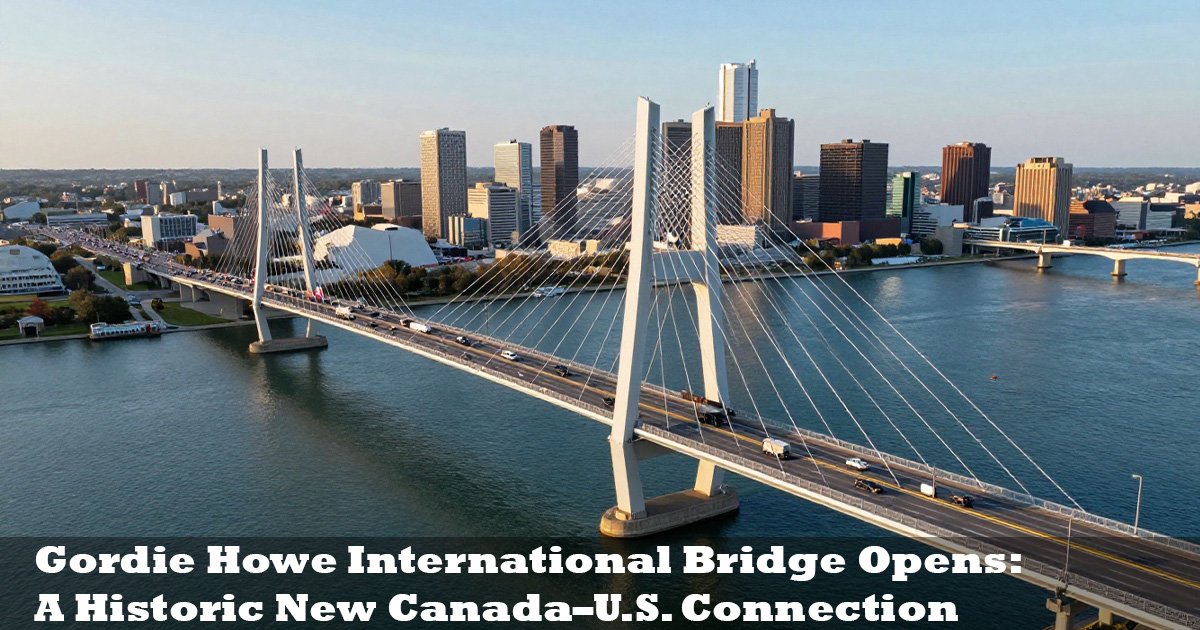
The Gordie Howe International Bridge opens on July 27, 2026, marking one of the most important transportation milestones between Canada and the United States in decades. This new crossing will connect Windsor, Ontario, with Detroit, Michigan, creating a modern alternative for millions of travelers, businesses, and commercial vehicles that rely on this busy border corridor.
For years, the Windsor-Detroit region has carried enormous responsibility. The area handles a significant share of North American trade, especially for the automotive industry. However, with only one major bridge serving direct vehicle traffic between these two cities for decades, delays became a common challenge.
The new bridge represents more than concrete, steel, and technology. It represents a stronger connection between two economies, two communities, and millions of people who cross this border every year.
Why the Gordie Howe International Bridge matters
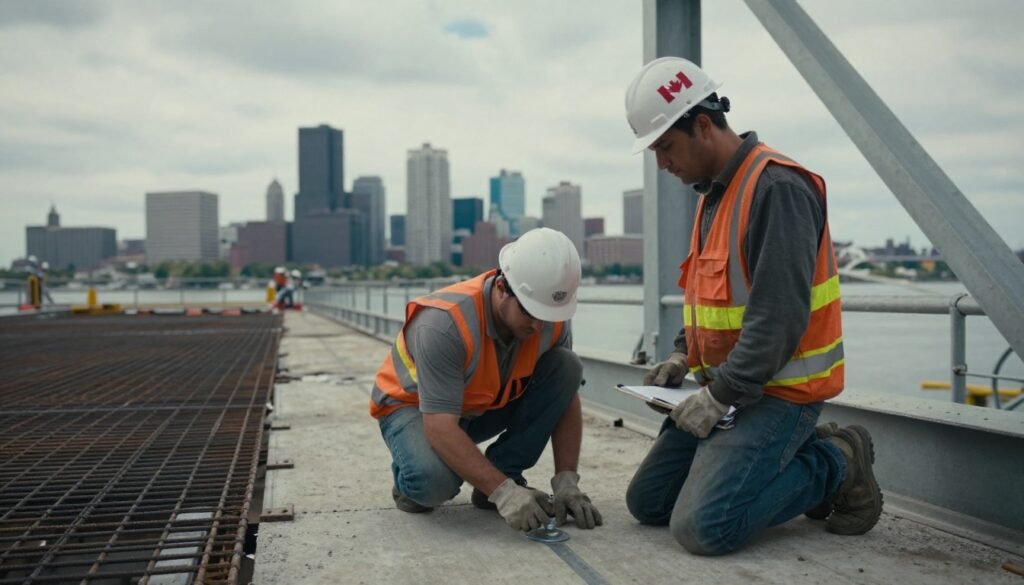
The Gordie Howe International Bridge opens after years of planning, construction, and cooperation between Canadian and American governments. The project began construction in 2015, but discussions about creating another Windsor-Detroit crossing existed long before workers arrived on-site.
The need was clear. The Ambassador Bridge, which opened in 1929, has been a critical trade route for generations. However, increasing traffic volumes created pressure on the existing system. Long truck queues, unpredictable delays, and supply chain concerns highlighted the need for another option.
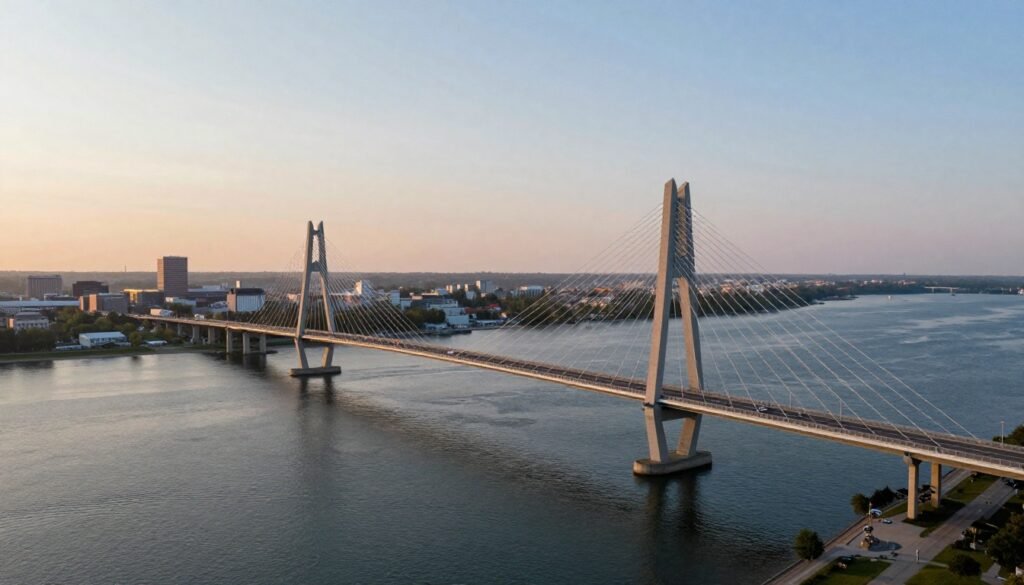
The new six-lane cable-stayed bridge provides additional capacity and creates a backup route for one of the most important trade connections in North America.
At approximately 2.5 kilometres long, with an impressive main span, the bridge is designed to handle modern transportation needs. It includes updated border facilities, advanced inspection technology, and dedicated spaces to improve the movement of commercial traffic.
A historic opening decades in the making
The story behind the Gordie Howe International Bridge opens moment is one of persistence. Building a major international bridge is never simple. The project faced legal challenges, political disagreements, and years of debate before construction moved forward.
Despite those obstacles, Canada and Michigan continued working toward the shared goal of improving border transportation.
The project has also created thousands of jobs during its construction phase. Beyond direct employment, local companies, suppliers, and service providers benefited from one of the largest infrastructure investments in the region.
The bridge is named after hockey legend Gordie Howe, a Canadian icon known for his achievements with the Detroit Red Wings and his connection to both countries. The name reflects the relationship between Windsor and Detroit — two cities separated by a river but closely connected through culture, families, and business.
How the Gordie Howe International Bridge opens new opportunities for trade
Trade is expected to be one of the biggest winners when the Gordie Howe International Bridge opens.
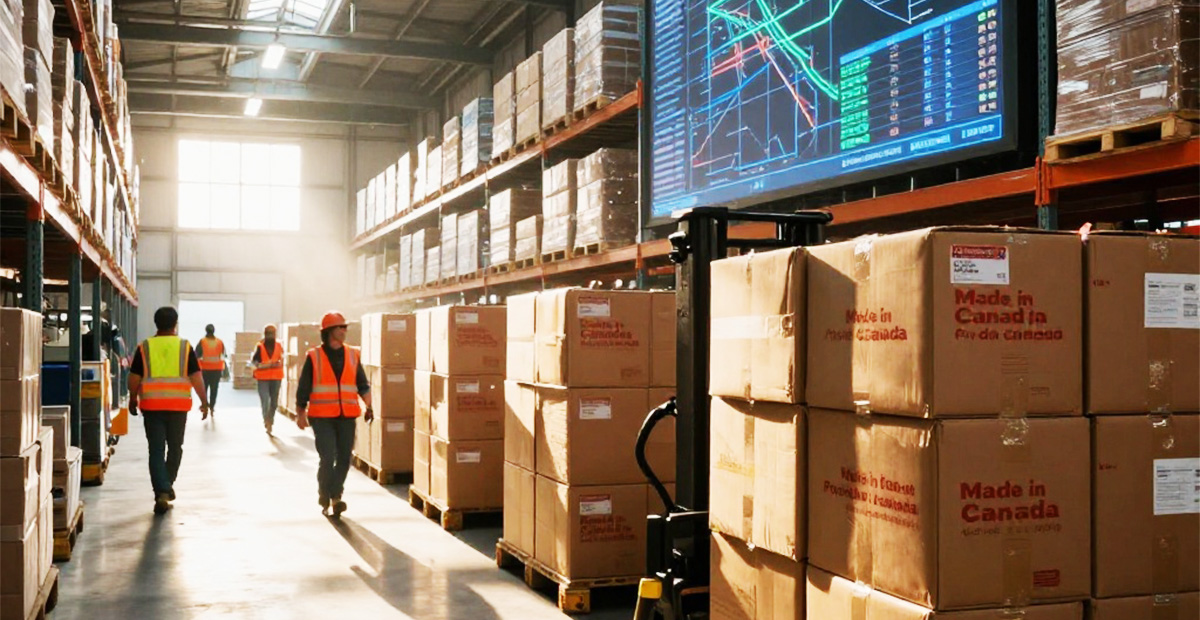
The Windsor-Detroit border is one of the busiest commercial corridors in the world. Automotive companies depend on fast and reliable movement of parts and finished vehicles. Many components cross the border multiple times during the manufacturing process before reaching consumers.
Even small delays can create major costs for manufacturers and transportation companies.
A second international crossing provides more flexibility. Truck operators will have another option when planning routes, and businesses can better manage unexpected disruptions.
The bridge’s modern design may also improve efficiency through updated customs facilities and advanced technology. Faster processing means fewer idle trucks, smoother supply chains, and more predictable delivery schedules.
For Canadian businesses connected to international markets, this improved reliability could become a major competitive advantage.
How the bridge could change travel between Windsor and Detroit
The impact will not only be felt by businesses. Everyday travelers may also notice important changes after the Gordie Howe International Bridge opens.
Many residents of Windsor and Detroit have personal connections across the border. People visit family, attend events, shop, work, and explore attractions on both sides.
A faster and more reliable crossing could encourage more tourism and local travel. Weekend trips between the two cities may become easier, helping restaurants, hotels, entertainment venues, and small businesses benefit from increased visitors.
The bridge may also support future improvements in cross-border transportation options. Better connections could make it easier for workers who live in one country and work in the other.
However, the overall impact will depend on factors such as traffic patterns, toll costs, and how quickly travelers adapt to using the new route.
Understanding the toll question
One of the biggest questions surrounding the Gordie Howe International Bridge opens announcement is the cost of crossing.
Officials have stated that toll rates will be competitive with existing Windsor-Detroit crossings. However, exact toll details are an important factor for drivers and transportation companies deciding whether to switch routes.
The bridge is publicly owned, which makes it different from the privately operated Ambassador Bridge. Supporters argue that public ownership can provide greater transparency and accountability.
A balanced toll structure will be important. If prices are too high, some drivers and companies may continue using older crossings. If prices are too low, maintaining long-term financial stability could become more difficult.
The final toll decision will likely influence how quickly the new bridge reaches its full potential.
Benefits for communities on both sides of the border
The Gordie Howe International Bridge opens with a broader goal than simply moving vehicles faster. The project is also connected to community development.
Local areas near the bridge are expected to see improvements through economic investment programs linked to the project. These initiatives aim to support neighborhoods, create opportunities, and strengthen the relationship between Windsor and Detroit.
Infrastructure projects of this size often create long-term effects. New businesses may develop, transportation networks may expand, and communities may find new ways to collaborate.
The bridge is a physical connection, but its biggest impact may come from the relationships and opportunities it creates.
What happens after the opening day?
When the Gordie Howe International Bridge opens, traffic patterns will likely change gradually rather than overnight.
Commercial drivers may quickly explore the new crossing because of its modern facilities and improved design. Individual travelers may take more time to develop new habits.
The success of the bridge will depend on everyday choices. Will truck companies use it regularly? Will tourists choose the new route? Will local transportation services expand?
These answers will become clearer in the months and years following the opening.
Governments will also continue monitoring transportation needs. If trade volumes increase, additional improvements to surrounding highways and infrastructure may become necessary.
The Gordie Howe International Bridge opens a brighter future
The Gordie Howe International Bridge opens as one of the most significant Canada–U.S. infrastructure achievements of the modern era. It provides a new border connection, strengthens trade opportunities, and creates a more reliable travel option between Windsor and Detroit.
While questions about tolls and long-term traffic patterns remain, the bridge represents progress after years of planning and construction.
More than a transportation project, this crossing symbolizes cooperation between two countries with deeply connected economies and communities.
As vehicles begin crossing on July 27, 2026, the Gordie Howe International Bridge will begin a new chapter in North American transportation — one built around connection, opportunity, and growth.