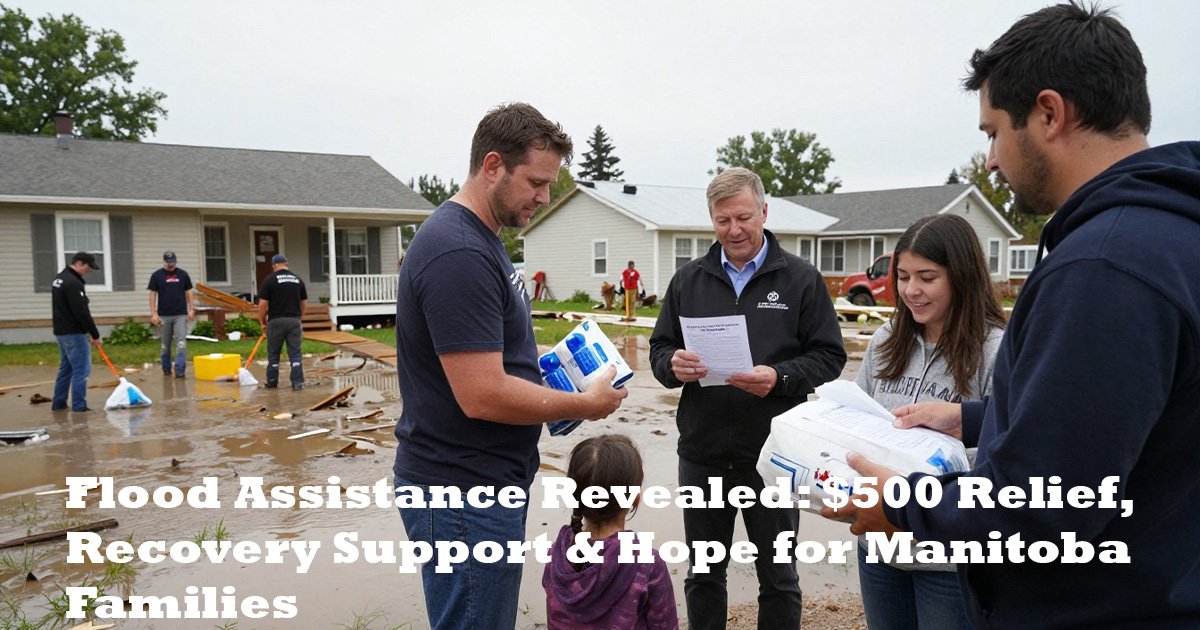
Flood assistance has become a lifeline for thousands of Manitoba residents after one of the province’s most challenging flood seasons in recent years. Torrential rain, overflowing rivers, and overwhelmed drainage systems left homes underwater, damaged infrastructure, and forced many families to leave their properties with little warning.
For homeowners, renters, and small communities, the financial impact has been significant. While many insurance policies cover certain types of water damage, overland flooding often falls into a grey area, leaving families responsible for expensive repairs. To address these challenges, the Manitoba government has introduced a new recovery package that combines direct financial support, a provincial recovery program, and assistance from charitable organizations.
The goal is simple: help people recover more quickly while reducing unnecessary delays. Here’s everything you need to know about the latest flood assistance package and what it means for affected residents.
Why Flood Assistance Matters
Floods can leave lasting damage long after the water disappears. Basements may remain damp for weeks, foundations can crack, electrical systems often require replacement, and treasured personal belongings may be impossible to recover.
More than 1,200 properties across Manitoba were affected during the recent flooding. Thousands of households faced cleanup costs, temporary accommodation expenses, and emergency repairs.
The newly announced Flood assistance package aims to reduce these financial pressures by providing immediate relief while supporting long-term rebuilding efforts.
Unlike previous disaster programs that sometimes required lengthy processing times, this initiative focuses on getting support into the hands of residents sooner.
The Three Major Flood Assistance Programs
The 2026 Manitoba Flood Recovery Program
The centrepiece of the package is the new provincial recovery program.
It has been created to help residents recover losses that insurance may not cover.
Eligible expenses may include:
- Foundation repairs
- Septic system restoration
- Essential household items
- Structural damage
- Other uninsured flood-related losses
Because the program is funded directly by the province, eligible residents may receive help before all federal disaster funding processes are completed.
This faster approach gives homeowners an opportunity to begin rebuilding without waiting months for approvals.
The $500 Non-Taxable Relief Payment
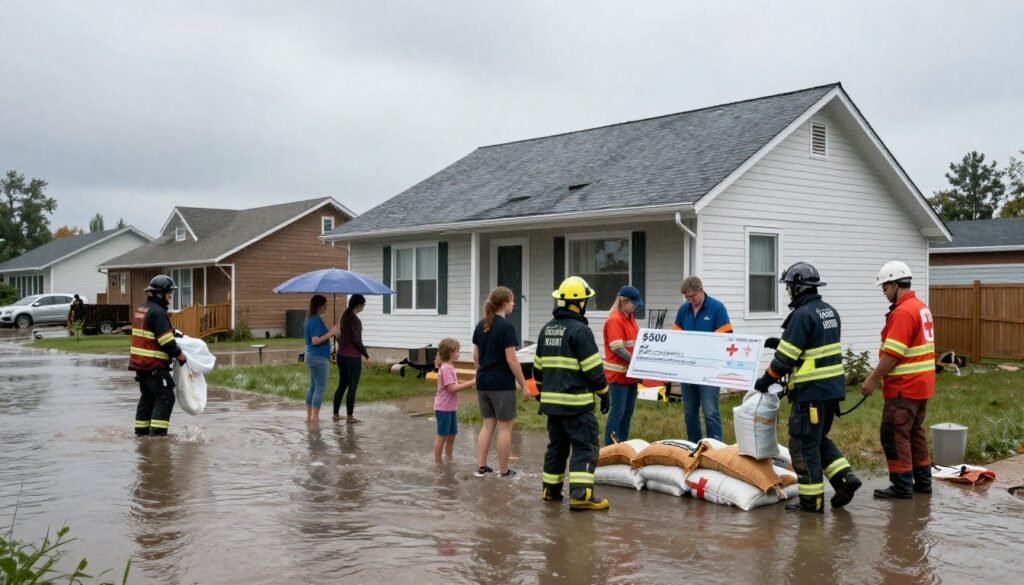
One of the most welcomed announcements is the one-time $500 payment available to eligible households.
The payment is designed to cover immediate expenses such as:
- Hotel stays
- Food replacement
- Generator fuel
- Cleaning supplies
- Emergency repairs
- Sump pump replacement
A major advantage of this Flood assistance payment is that applicants do not need to wait for an insurance denial before applying.
The payment is also non-taxable and does not reduce other provincial benefits, allowing families to receive support without affecting existing assistance programs.
Community and Charitable Support
Recovery is about much more than repairing buildings.
Families often need emotional support, volunteers, food, temporary shelter, and guidance throughout the recovery process.
The province is working with organizations including:
- Canadian Red Cross
- Salvation Army
- Local United Way chapters
These organizations provide emergency supplies, cleanup assistance, counselling services, and recovery planning.
The provincial government has also committed to matching eligible public donations to the Canadian Red Cross appeal up to a set funding limit, increasing the total resources available for affected communities.
Who Qualifies for the $500 Payment?
Eligibility is based primarily on whether a household is located within an officially designated flood-affected area.
Eligible applicants may include:
- Homeowners
- Renters
- Mobile home residents
- Families living in designated flood zones
Residents already receiving Employment and Income Assistance or 55-Plus benefits are expected to receive assistance automatically where applicable.
Officials estimate that approximately 22,000 households could benefit from the payment.
How to Apply for Flood Assistance
The province plans to use a single online application portal to simplify the process.
Applicants should prepare:
- Proof of address
- Government identification
- Description of flood damage
- Insurance details (if available)
- Photos of damaged property
- Receipts for emergency expenses
Residents without internet access can receive assistance through regional service centres and telephone support lines.
Submitting complete information as early as possible may help reduce processing delays.
Why This Recovery Program Is Different
Traditional disaster recovery funding often requires extensive paperwork and coordination between provincial and federal governments.
The new Flood assistance program changes that approach by making provincial support available much earlier.
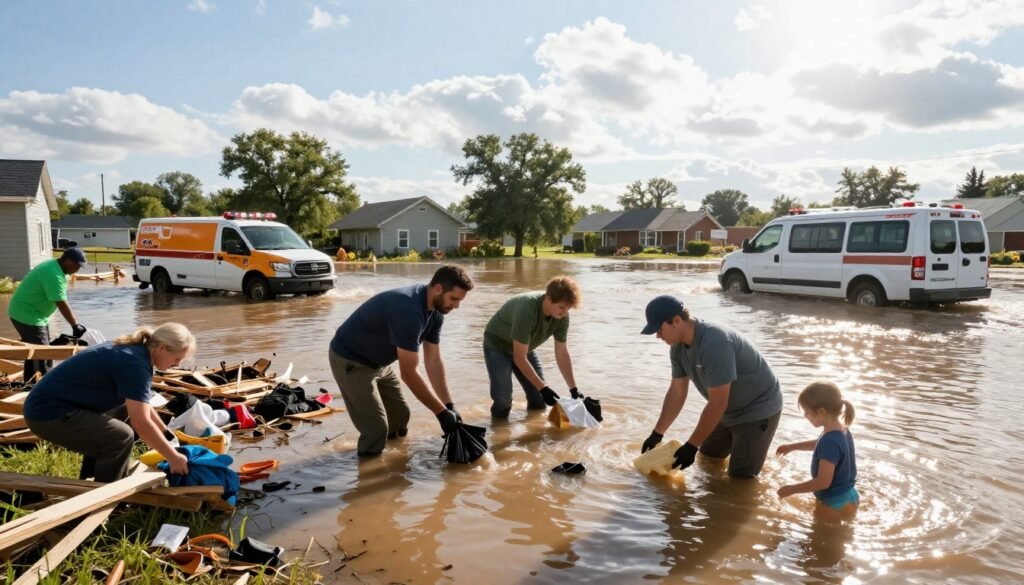
This allows homeowners to begin repairing damaged foundations, replacing essential household items, and restoring safe living conditions while larger funding decisions continue.
Earlier financial support may also help reduce long-term repair costs, since flood damage often worsens when repairs are delayed.
Grey Areas That Still Need Clarification
Although the package has received positive feedback, several important questions remain.
Sewer Backup vs. Flood Damage
One of the biggest concerns involves sewer backup.
Insurance companies often distinguish between:
- Overland flooding
- Sewer backup
- Groundwater seepage
Depending on how water entered a property, some claims may receive different treatment.
Provincial officials have indicated that further guidance will be released, but many homeowners continue waiting for clarification.
Infrastructure Challenges
Flood recovery is only one part of the solution.
Many Manitoba communities have experienced repeated flooding over recent years, leading local leaders to call for:
- Better drainage systems
- Improved flood protection infrastructure
- Updated flood mapping
- Long-term climate resilience planning
Without stronger infrastructure, future flooding may continue creating similar challenges.
Practical Tips When Applying
If you plan to apply for Flood assistance, following a few simple steps can make the process easier.
Take Photographs
Document every damaged area before beginning major cleanup.
Save Every Receipt
Keep records for:
- Cleaning supplies
- Temporary accommodation
- Emergency repairs
- Equipment rentals
Report Damage Promptly
Early applications may be processed more efficiently.
Monitor Official Updates
Eligibility rules and flood maps may change as assessments continue.
Looking Ahead
While immediate financial support is essential, Manitoba’s long-term recovery will depend on more than emergency payments.
Experts believe continued investment in flood protection, upgraded infrastructure, improved drainage systems, and stronger emergency planning will help reduce future damage.
Communities across the province are already discussing long-term rebuilding strategies designed to improve resilience against increasingly frequent extreme weather events.
If these plans move forward, today’s Flood assistance package could become the foundation for a more effective disaster response system in the future.