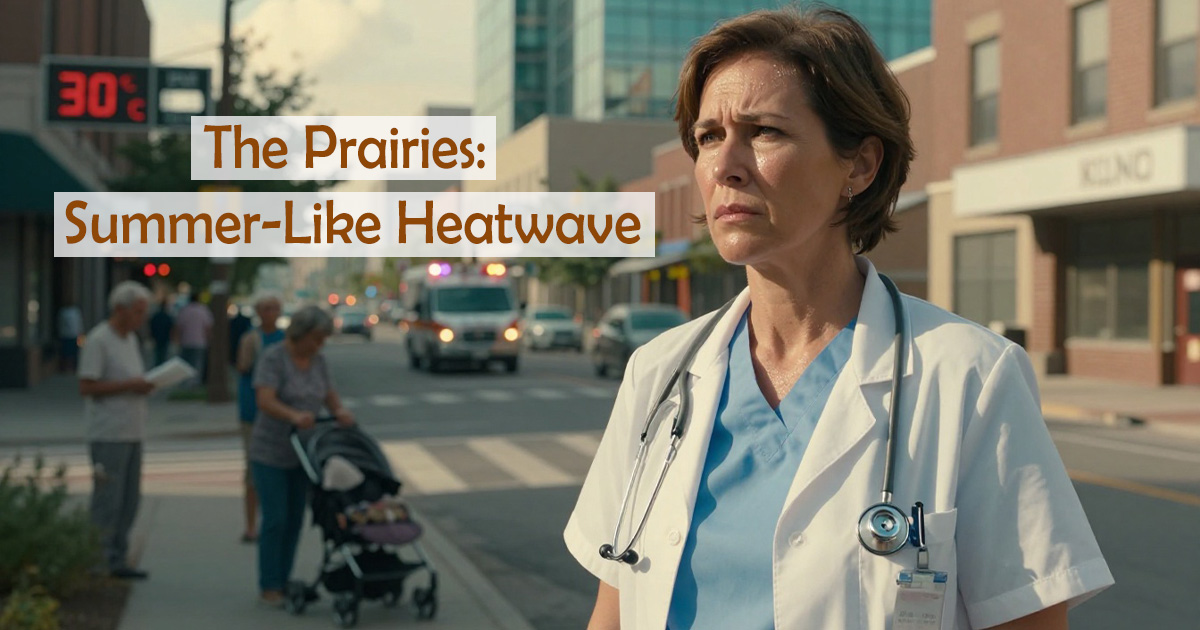
Early Heatwave Blankets the Prairies
Daytime highs across Saskatchewan and Alberta are nudging into the mid-30s this week — the kind of heat normally reserved for late July. A stubborn ridge of high pressure is camped over the region, trapping humid air and pushing humidex values toward the upper 30s. Forecasters think it could top the 33.5°C recorded in Lytton, B.C. earlier this month, the country’s hottest so far in 2026. I’ve practiced medicine in the Prairies for years. The numbers don’t shock me. What does is how many people treat an early, heavy heat spike like a weather fluke instead of a health risk.
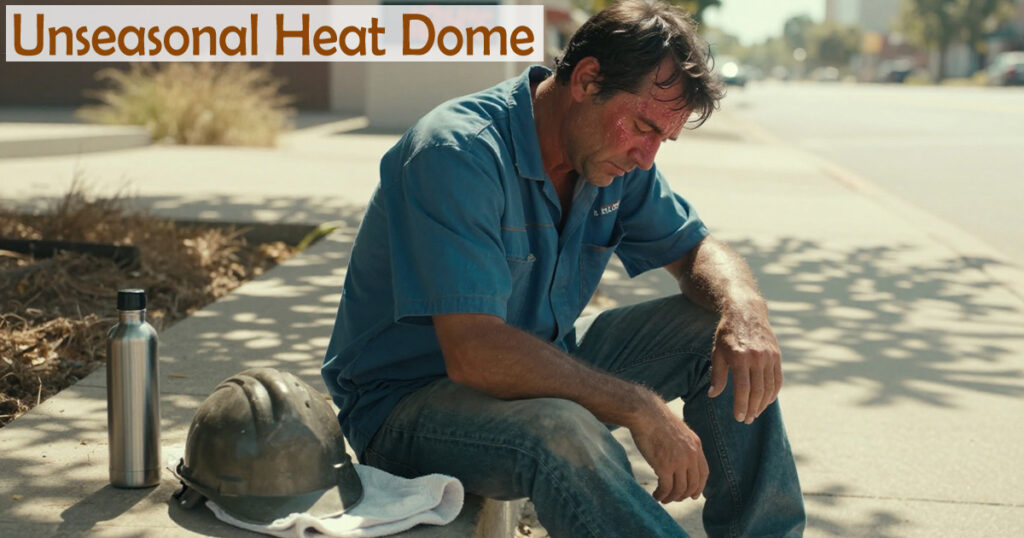
An Unseasonal Heat Dome
Meteorologists call this pattern an omega block. A high-pressure ridge, stuck. It parks overhead and refuses to budge. That means no cooling breeze, no overnight relief, just day after day of heat that your body hasn’t had time to get used to. Normally we inch into summer. Blood vessels learn to dilate. Sweat glands ramp up. This year we lurched from afternoons in the teens straight into a steam bath. When the air’s already thick with moisture, sweat can’t evaporate. Your skin stays hot. Your core temperature climbs. You feel sluggish and sticky even in the shade. It’s a short-circuit of your built-in cooling system.
Symptoms and progression
Heat illness doesn’t hit like a hammer. It creeps. A lot of people still believe they’ll feel a sudden warning, but that’s not reliable. At the mild end, you get heat cramps — muscle spasms, calves or abdomen. Then heat exhaustion: heavy sweating, cold clammy skin, a fast weak pulse, fatigue, maybe a low fever. You’ll write it off as a bad night’s sleep. That’s the mistake. Heat stroke is when the body’s thermostat fails. Skin turns hot and dry, sweating often stops, and confusion sets in. This is a medical emergency. Brain, kidneys, heart — all can be damaged fast if the person isn’t cooled down and treated.
Children’s bodies heat up much faster than adults’, and their temperature regulation isn’t fully developed. A parked car, even for a minute, can push a child’s core temperature to a lethal level. I won’t soften that: it happens, and it’s entirely preventable.
Who’s most at risk
Outdoor workers. Athletes. People in apartments without cross-ventilation or older homes with no central air. It’s the predictable list, but night-time lows matter even more. When overnight temperatures don’t dip below 18°C, the body never gets a real break. Night after night, the strain accumulates.

Medications can tip someone into the danger zone without them realizing. Blood pressure pills, some antidepressants, antihistamines, diuretics — they can blunt sweating or make you lose fluids faster. Don’t stop taking a prescription, but call your pharmacist and ask about heat-sensitivity side effects. Chronic illnesses like diabetes, kidney disease, or heart failure ramp up risk even further. If you’re checking on an older neighbour who has mobility issues or cognitive decline, remember they may not feel thirst the same way you do. They might not be able to reach a glass of water on their own.
What to do
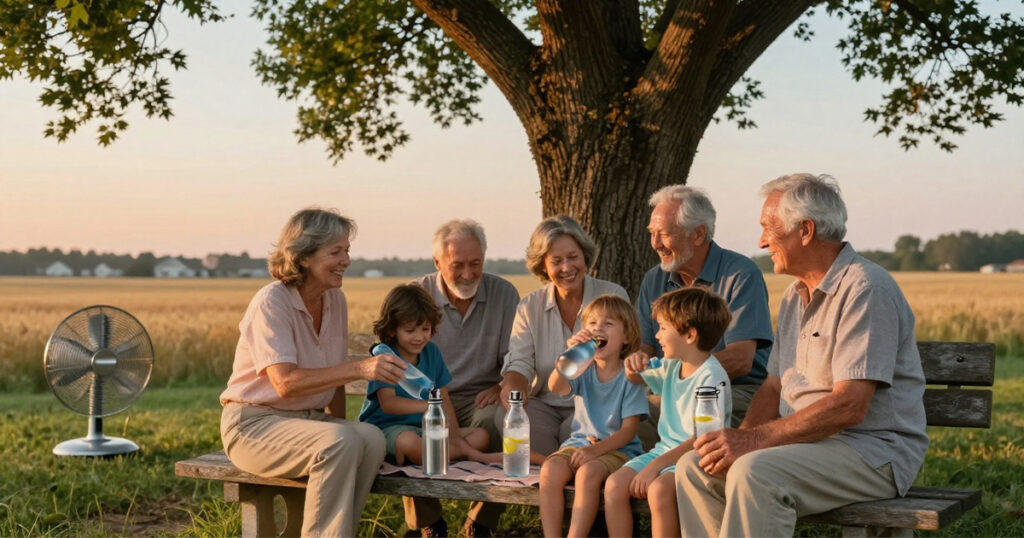
Water, plain and often, is the foundation. Not beer. Sports drinks only if you’re working hard and sweating buckets, but for most of us, water works. Check your urine — pale yellow, you’re fine. Apple juice colour, drink more. If you don’t have air conditioning, head to a library, mall, or community centre for a few hours. Fans alone can backfire once indoor temperatures climb past 35°C; they just blow hot air around and can make dehydration worse. A cool shower or a damp cloth on the back of the neck buys time.
Loose, light clothes, a wide-brimmed hat, sunscreen — all simple but essential. Move outdoor work or exercise to before 10 a.m. or after 6 p.m. A practical trick: sip water every time you glance at your phone. And check on neighbours. A two-minute knock on the door can prevent a disaster.
When to call 911
If someone has a body temperature above 39.5°C, is confused, faints, or has hot, dry skin without sweating, don’t wait. Call 911. While help is on the way, move them to shade, loosen clothing, put cool wet cloths on the neck, armpits, and groin. Don’t force fluids if they’re not alert.
Heat exhaustion that gets worse despite rest and fluids — vomiting, a racing pulse, dizziness when standing — also needs medical attention, sooner rather than later. No one is immune to 34°C with a humidex of 38. The fit runner, the construction worker, the retiree with heart trouble — all of them can misread the first signals.
The forecast for Regina on Wednesday is 36°C, with an overnight low around 20. That will be the fourth straight night above 18. The body never really rests.